
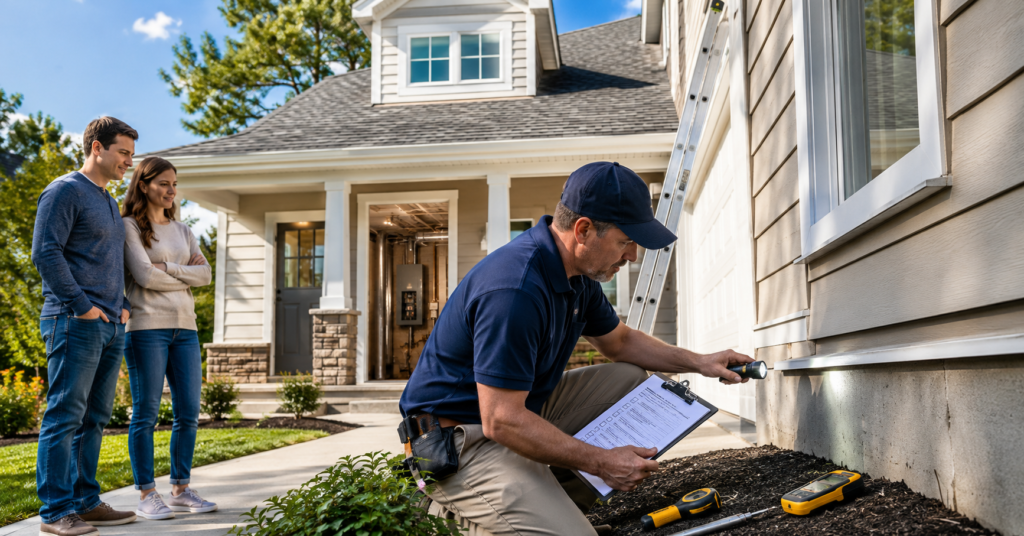
Quick Answer: A home inspection checklist for buyers covers 12 major systems: roof, foundation, exterior walls, attic, electrical, plumbing, HVAC, water heater, basement, interior surfaces, windows and doors, and built-in appliances. Inspections cost $300 to $500 and take 2 to 4 hours. Use the findings to negotiate repairs, request credits, or walk away if the contingency allows.
You finally got the offer accepted. The excitement is real. But before you start planning furniture arrangements and paint colors, there is one step that stands between you and the keys: the home inspection.
This is the part of the buying process that most first-time buyers approach with a vague sense of dread. What is the inspector actually looking for? What happens if they find something bad? How do you know if what they found is a dealbreaker or just a minor repair?
Here is the honest answer: a home inspection is one of the best things that can happen to you as a buyer. Buyers who use inspection findings to negotiate save an average of $14,000 off the final sale price, which is a $14,000 return on a $400 investment. The inspector is the one person in the entire transaction who is working purely for you, with no stake in whether the sale goes through.
This guide walks you through every system on the home inspection checklist, what inspectors look for in each one, the red flags that should genuinely concern you, and exactly what to do once you have the report in hand. If you are still in the early stages of the buying process, our first time home buyer checklist covers every step from pre-approval through closing so you know what comes before and after the inspection.
What Is a Home Inspection and When Does It Happen
A home inspection is a non-invasive, visual examination of a property’s physical condition conducted by a licensed professional. The inspector examines what is accessible and visible, then compiles findings into a detailed report. They do not cut into walls, remove ceiling panels, or dismantle systems.
The inspection happens after the seller accepts your offer and before closing, during what is called the due diligence or contingency period. This is the window in the contract where you have the right to inspect the property and, depending on your contract terms, to negotiate repairs or walk away without penalty if findings are serious enough.
The home inspection is different from the appraisal. Appraisers look at market value, meaning what the home is worth compared to similar properties. Inspectors look at condition, meaning what is working, what is not, and what might fail soon.
Understanding what contingent means in the context of your contract is important here. The inspection happens during this contingent period and your rights as a buyer depend entirely on what your contract says about inspection contingencies. Our guide on what contingent means in real estate explains exactly how this works and what your options are.
How Much Does a Home Inspection Cost
Base Inspection Cost
The average home inspection costs around $343 with most buyers paying between $296 and $424. Your actual cost depends on your location, the age of the home, and the size of the property.
Here is a realistic breakdown by location and home size:
| Scenario | Estimated Cost |
| Small home under 1,500 sq ft | $250 to $350 |
| Standard 2,000 to 2,500 sq ft home | $350 to $450 |
| Large home over 3,000 sq ft | $450 to $600 |
| Older home built before 1980 | Add $50 to $150 |
| High cost of living markets (NYC, LA, CT) | $430 to $550 |
| Rural or lower cost markets | $250 to $350 |
Specialty Inspection Add-Ons
The base inspection does not cover everything. Sewer scope, septic, radon, mold, pool, and termite checks are billed as separate specialty inspections. Here is what each typically costs and when you need them:
| Specialty Inspection | Cost | When to Order |
| Radon testing | $100 to $200 | Always, especially in high-radon regions |
| Sewer scope | $150 to $350 | Homes over 20 years old |
| Mold testing | $200 to $600 | If inspector notes moisture or musty smell |
| Termite inspection | $75 to $150 | Required for FHA and VA loans |
| Septic inspection | $200 to $500 | Any home on a private septic system |
| Pool and spa | $100 to $200 | If the property has a pool |
| Lead paint | $250 to $400 | Homes built before 1978 |
| Chimney inspection | $100 to $250 | If the home has a fireplace |
The sewer scope is the most commonly skipped specialty inspection that buyers later wish they had ordered. A sewer line replacement can cost $8,000 to $25,000, and the standard inspection does not cover it.
The Complete Home Inspection Checklist for Buyers
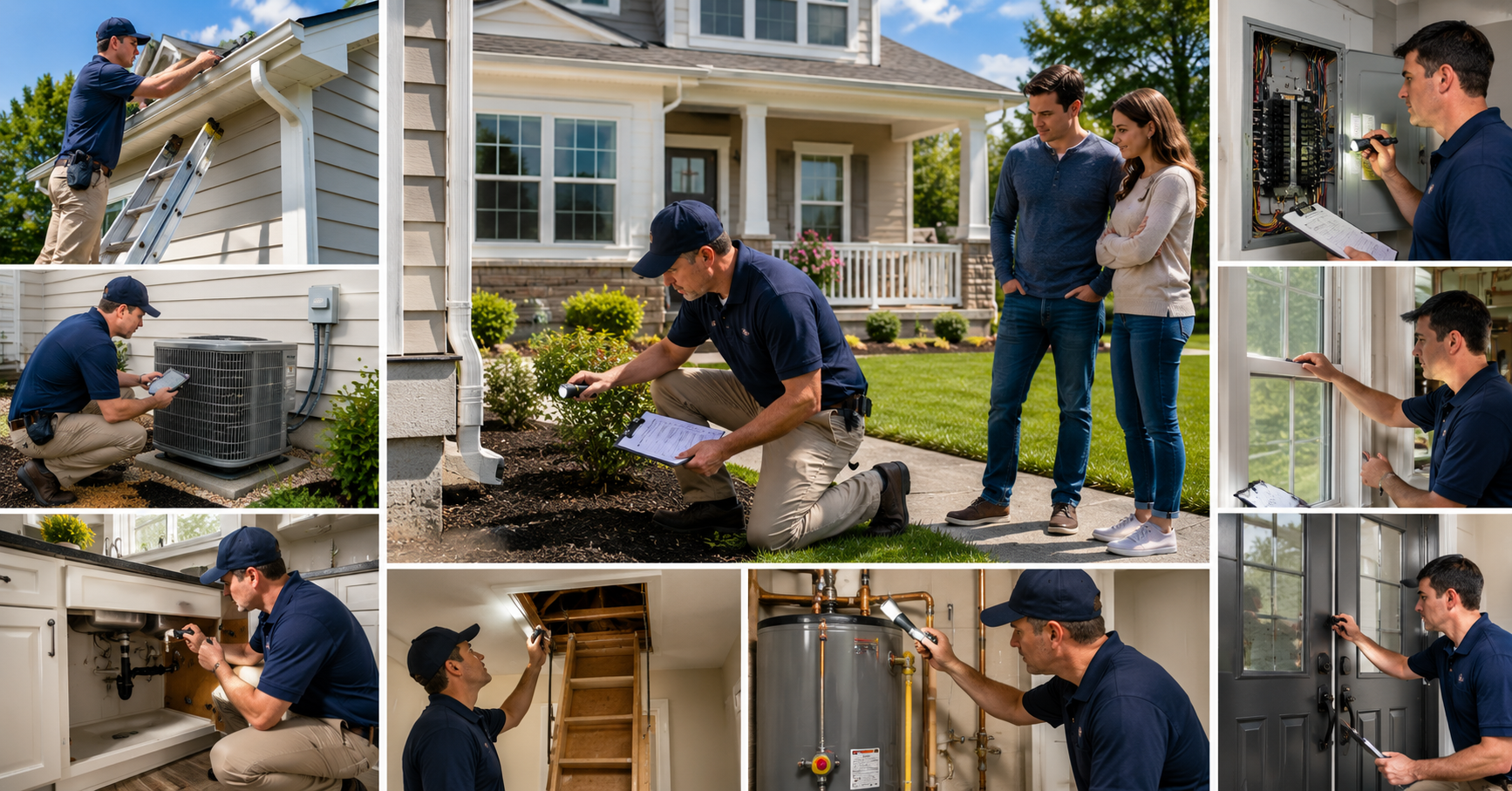
1. Roof and Gutters
The roof is one of the most expensive components to replace, so inspectors pay close attention to its condition. A roof replacement can cost $8,000 to $25,000 or more depending on size and material.
What inspectors check:
- Shingle condition: curling, buckling, missing, or worn shingles
- Estimated remaining life based on material type and visible wear
- Flashing at chimneys, vents, and skylights
- Gutters and downspouts: attachment, drainage direction, blockages
- Moss or algae growth that traps moisture and accelerates deterioration
- Number of shingle layers (most codes allow a maximum of two)
Red flag: A roof with less than 5 years of estimated life remaining or missing flashing around the chimney. Both are expensive and urgent.
2. Foundation and Structure
The foundation is the most serious category on the entire checklist. Foundation problems are expensive, disruptive, and sometimes unfixable without major structural work.
What inspectors check:
- Cracks in the foundation walls: horizontal cracks are more serious than vertical ones
- Evidence of settling or shifting
- Bowing or bulging walls in the basement
- Structural beams and posts
- Evidence of water intrusion at the foundation level
Red flag: Horizontal cracks in basement walls or stair-step cracks in brick or block foundation walls. These indicate lateral pressure and potential structural movement, which can cost $10,000 to $50,000 or more to address properly.
3. Exterior Walls, Siding, and Grading
The exterior tells you how well the home has been maintained and whether water is being directed away from the foundation the way it should be.
What inspectors check:
- Siding condition: cracks, warping, rot, or missing sections
- Paint condition: peeling or bubbling paint often signals moisture behind the surface
- Caulking around windows, doors, and penetrations
- Grading: the ground should slope away from the foundation, not toward it
- Driveway, walkways, and patios for significant cracking or settling
Red flag: Negative grading (ground sloping toward the house) is one of the most common causes of basement moisture problems and is often easy to miss on a casual walkthrough.
4. Attic and Insulation
The attic tells stories about the house. Inspectors look for roof decking condition, structural framing, ventilation adequacy through soffit vents and ridge vents, insulation with sufficient R-value for the climate zone, and electrical with no exposed splices or unsafe wiring practices.
What inspectors check:
- Roof decking for staining from past or current leaks
- Insulation levels and proper installation
- Ventilation: inadequate attic ventilation causes moisture buildup and premature roof failure
- Evidence of pest activity, particularly rodents
- Bathroom fans that vent into the attic rather than outside (a very common and problematic installation error)
Red flag: Bathroom exhaust fans venting into the attic are extremely common and cause significant moisture damage over time. This is a relatively cheap fix but often missed by buyers.
5. Electrical System
Electrical problems are both expensive and genuinely dangerous. This is one of the most important sections of the inspection.
What inspectors check:
- Electrical panel: brand, capacity in amps, and condition
- Wiring type: aluminum wiring and knob-and-tube wiring are both potential concerns in older homes
- GFCI outlets in bathrooms, kitchens, garages, and outdoor areas
- Outlets: proper grounding, correct polarity, functionality
- Smoke and carbon monoxide detectors
Red flag: Certain electrical panel brands have known safety issues. Federal Pacific panels with Stab-Lok breakers and Zinsco panels are two brands that inspectors flag consistently and insurers sometimes refuse to cover. Replacement costs $2,000 to $5,000. If a home has either of these, factor it into your negotiation.
6. Plumbing System
Plumbing problems range from minor annoyances to major water damage. Inspectors check what they can see and access.
What inspectors check:
- Water pressure and flow at fixtures
- Pipe material: galvanized steel pipes in older homes are nearing end of life; polybutylene pipe from the 1970s to 1990s is known to fail
- Water heater age, condition, and proper venting
- Visible leaks under sinks and around toilets
- Drainage speed at multiple fixtures
- Shut-off valves: functioning and accessible
Red flag: Polybutylene pipe is particularly concerning because it tends to fail catastrophically and without warning. If the inspector identifies polybutylene, get a quote for full replacement and factor it into your offer.
7. HVAC System
The heating and cooling system is one of the most expensive replacements in any home. A full HVAC replacement runs $5,000 to $15,000 depending on the system size and type.
What inspectors check:
- System age: most furnaces last 15 to 20 years, air conditioners 15 to 20 years
- Operating condition: does it heat and cool effectively
- Filter condition
- Ductwork: proper connections, insulation, and no visible damage
- Thermostat functionality
- Carbon monoxide risk from combustion appliances
Red flag: An HVAC system over 15 years old is not automatically a problem, but it is a negotiating point. Ask for a recent service record and factor the likely remaining lifespan into your calculations.
8. Water Heater
Water heaters have a lifespan of 8 to 12 years for tank units and 15 to 20 years for tankless units. Replacement costs $800 to $2,000 installed.
What inspectors check:
- Age (usually listed on a label on the unit)
- Condition of the tank and connections
- Proper venting to the exterior
- Temperature and pressure relief valve
- Sediment buildup signs
Red flag: A water heater over 10 years old is not an emergency, but it is worth negotiating a credit toward replacement, since it could fail within a year or two of purchase.
9. Basement and Crawl Space
Moisture problems in the basement can affect the entire house. Key inspection points include evidence of water intrusion through staining, efflorescence, and dampness, floor condition, sump pump operation if present, structural support beams and posts, and foundation walls for interior cracks or bowing.
What inspectors check:
- Water staining, white mineral deposits (efflorescence), or active moisture
- Sump pump functionality
- Structural posts and beams
- Evidence of pest activity or past pest damage
- Vapor barrier in crawl spaces
Red flag: Active moisture in a basement or crawl space is not something to dismiss. Even if the seller says it only happens occasionally, assume it is worse than presented. Waterproofing a basement costs $3,000 to $15,000 or more depending on the cause and solution.
10. Interior Walls, Ceilings, and Floors
The interior reveals the history of the home’s maintenance and any hidden moisture issues that showed up inside before they were addressed outside.
What inspectors check:
- Water stains on ceilings: indicates past or current roof or plumbing leak
- Cracks in walls and ceilings: minor hairline cracks are normal settling; larger cracks or cracks with displacement can indicate structural movement
- Floor levelness: uneven floors can indicate settling or structural issues
- Signs of mold or mildew
Red flag: Water stains on ceilings are always worth following up on. The stain itself may be old and repaired, but you want confirmation of that. An inspector cannot tell you with certainty if a stain is old or new, only testing and investigation can confirm it.
11. Windows and Doors
Inspectors check that doors and windows open smoothly, seal properly, and lock securely.
What inspectors check:
- All windows open, close, and lock correctly
- Double-pane windows for fogging between panes (indicates failed seal)
- Window and door frames for rot or water damage
- Exterior doors for proper weatherstripping and sealing
- Storm doors and screens
Red flag: Multiple double-pane windows with failed seals is a cost that adds up quickly. Replacing a sealed unit costs $150 to $300 per window. If half the windows in a house have fogged panes, that is a meaningful repair cost to negotiate.
12. Built-In Appliances
Inspectors verify that the stove, dishwasher, and refrigerator function properly and check the age of each appliance. They test the garbage disposal and ensure that ventilation systems exhaust properly to the exterior.
What inspectors check:
- Range and oven: all burners and oven function
- Dishwasher: runs a cycle, drains properly
- Built-in microwave
- Garbage disposal
- Range hood: venting direction (should vent outside, not recirculate)
- Refrigerator if included in the sale
Red flag: A range hood that recirculates rather than venting to the exterior is one of the most commonly overlooked kitchen installation issues. It does not remove moisture or cooking fumes from the kitchen at all.
Home Inspection Red Flags: Minor, Serious, and Walk-Away
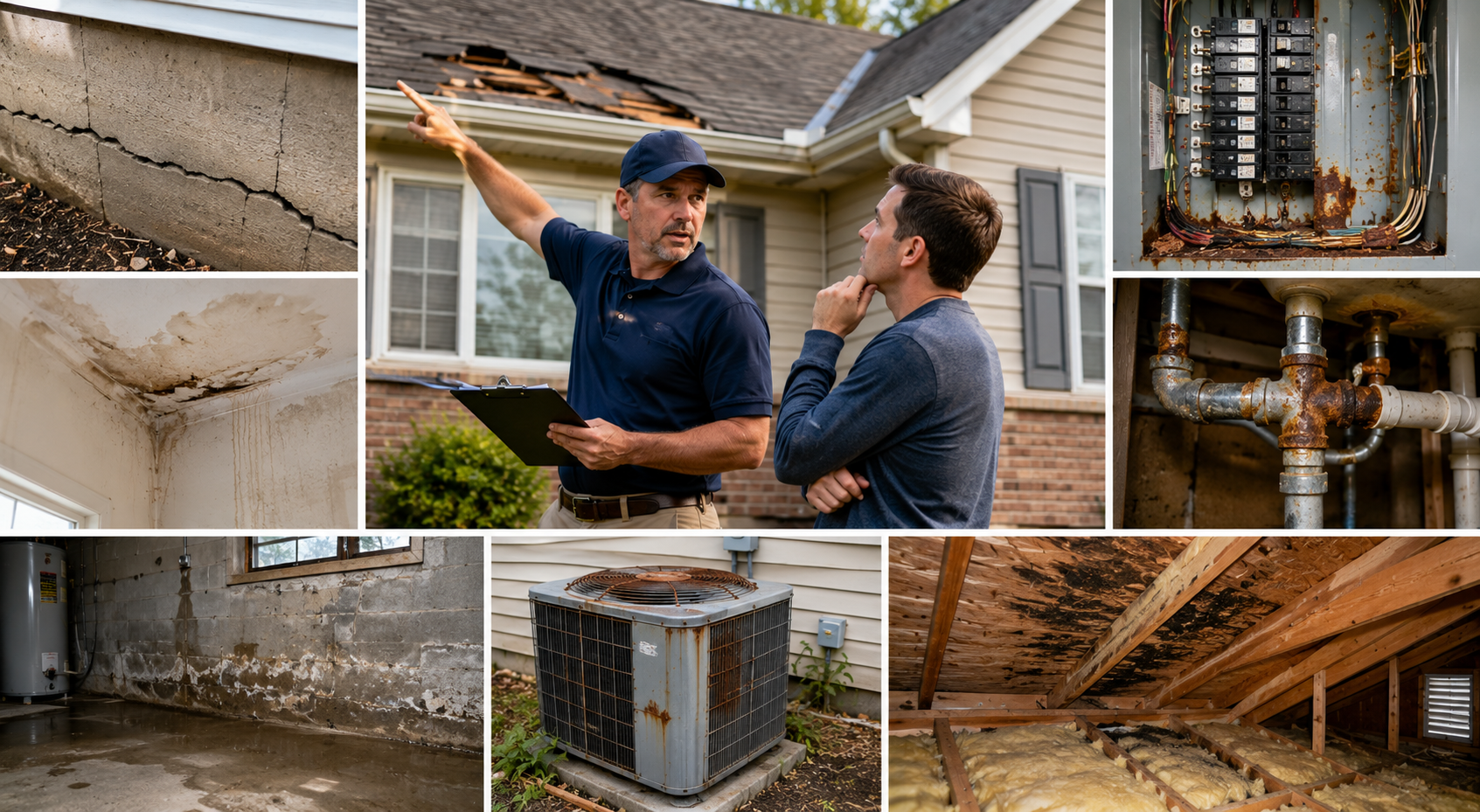
Not every finding is equal. Here is how to think about severity:
Minor issues (negotiate or accept):
- Single windows with failed seals
- Missing GFCI outlets
- Bathroom fan not venting outside
- Water heater over 10 years old
- Aging but functional appliances
Serious issues (negotiate hard or get specialist):
- Roof with less than 5 years of life
- Electrical panel with known safety issues
- Active basement moisture
- HVAC system over 15 years old needing replacement
- Polybutylene pipe throughout the home
Walk-away level issues (unless price reflects it):
- Active foundation movement with horizontal cracks
- Evidence of major structural failure
- Extensive mold throughout the home
- Full sewer line failure
- Knob-and-tube wiring throughout an older home
The key question for any major finding is not just the repair cost but the hassle and disruption of living through that repair. A foundation problem is not just $20,000. It is months of disruption, contractors in and out, and the stress of managing a major structural repair in a home you just bought.
What Home Inspectors Cannot See and When You Need a Specialist
A standard home inspection is visual and non-invasive. That means there are real limits to what it covers.
Inspectors cannot see inside walls, under floors, or above finished ceilings. They cannot test for radon, mold, asbestos, lead paint, or water quality. They do not inspect the sewer line, septic system, pool, or detached structures unless specifically contracted to do so.
This is why specialty inspections matter for certain properties. Order a radon test on any home in a high-radon region. Order a sewer scope on any home over 20 years old. If the inspector mentions any moisture concern anywhere, add mold testing. If the home was built before 1978, consider lead paint testing before you commit.
FHA vs VA vs Conventional Loans: Different Inspection Requirements
Loan type matters: FHA appraisals also check for safety hazards, structural soundness, and adequate utilities, VA loans require Minimum Property Requirements, and conventional loans are the most flexible.
FHA loans: The FHA appraisal includes a basic property condition check alongside the value assessment. The appraiser flags health and safety issues that must be resolved before the loan closes. This means sellers on FHA transactions sometimes face mandatory repairs before closing that they would not face on a conventional sale.
VA loans: VA loans require the property to meet Minimum Property Requirements covering safety, soundness, and sanitary conditions. A VA-required termite inspection is mandatory in most states. The VA appraisal is more comprehensive than a conventional appraisal in terms of property condition requirements.
Conventional loans: The most flexible option. The lender generally does not require a home inspection at all, though buyers are always strongly advised to get one. The appraisal focuses on value, not condition.
Should You Attend the Home Inspection?
Yes, without question.
Many inspectors invite the buyer to join the last 30 to 60 minutes to review findings on site. Take that invitation seriously. Reading a written report full of technical language is much harder than having the inspector walk you through the house and show you exactly what they found and why it matters.
You do not need to be there for the full 2 to 4 hours. Show up for the last hour, bring a notepad, and ask every question you have. Ask the inspector to explain the severity of each finding. Ask what they would do if it were their house. Ask whether they recommend any specialty inspections based on what they saw.
The inspection report is your property from this point forward. Future buyers will likely never see it unless you choose to disclose it.
How to Find a Good Home Inspector
Not all inspectors are equal and the difference between a thorough inspector and a surface-level one can be thousands of dollars in missed findings.
What to look for when hiring:
- Membership in InterNACHI or ASHI: the two major professional associations with published standards of practice
- State licensing where required (most states now require home inspector licensing)
- Errors and omissions insurance: protects you if they miss something significant
- Sample reports: a good inspector provides detailed reports with photos, not checkboxes
What to ask before booking:
- How long have you been inspecting homes?
- How long will the inspection take?
- Do you follow ASHI or InterNACHI standards?
- Can I attend and walk through with you at the end?
- Do you offer specialty inspection add-ons?
The InterNACHI inspector directory lets you search for certified inspectors in your area and verify their credentials before booking.
What to Do After the Inspection Report

The report arrives within 24 to 48 hours of the inspection. It will likely be long, detailed, and somewhat alarming at first read. That is normal. Every home has issues. The question is which ones matter enough to act on.
Here is the process:
Step 1: Read the full report once without panicking. Make a list of everything flagged.
Step 2: Separate the list into minor maintenance items, items worth negotiating, and potential dealbreakers.
Step 3: Get contractor quotes for any major items before going back to the seller. You need actual numbers, not estimates.
Step 4: Decide what you want: repair credit, price reduction, or actual repairs completed before closing.
Step 5: Work with your agent to submit a repair request or amendment. The seller can agree, counter, or refuse.
Step 6: If the findings are serious enough that no reasonable negotiation would make you whole, exercise your inspection contingency and walk away. This is what the contingency is for.
For guidance on the financial side of the home buying process, including what to budget for after the inspection, the Consumer Financial Protection Bureau’s owning a home resource covers budgeting for closing costs, repairs, and first-year homeownership expenses in detail.
What to Ask for After the Inspection
The inspection gave you information. Now use it. You have three main options:
Request repairs: Ask the seller to fix specific items before closing. Best for safety issues and items that lenders require fixed for loan approval.
Request a price reduction: Ask the seller to lower the sale price by the estimated repair cost. Best for deferred maintenance items where you want to choose your own contractor.
Request a seller credit at closing: Ask for money back at closing that you can use for repairs after you take ownership. Similar to a price reduction but structured differently, so check with your lender as some loan types have limits on seller credits.
Prioritize requests on safety items, major systems nearing end of life, and anything the lender will require fixed for loan approval. Do not demand every minor item be fixed or you will antagonize the seller and risk losing the deal over $300 worth of repairs.
If you are buying in a market where kitchen condition is a major concern, our guide on kitchen remodeling mistakes covers the most common and expensive errors buyers make when planning renovations after purchase, which is useful context when evaluating what the inspector found in the kitchen.
Frequently Asked Questions
Q: How long does a home inspection take? A: Most home inspections take 2 to 4 hours depending on the size and age of the home. Larger homes, older homes, and homes with more systems to check take longer. Plan to arrive for the last 30 to 60 minutes to walk through with the inspector and ask questions.
Q: Can a seller refuse a home inspection? A: A seller cannot refuse a home inspection if your purchase contract includes an inspection contingency, which it should. The seller cannot be present during the inspection if the buyer prefers privacy. In competitive markets, some buyers waive the inspection contingency to strengthen their offer, but this removes important consumer protections and is generally not recommended for first-time buyers.
Q: What happens if the home inspection finds major problems? A: You have options. You can negotiate repairs or a price reduction with the seller, request a seller credit at closing to cover repair costs, or walk away from the deal if your contract includes an inspection contingency and the findings are serious enough. The inspection report itself does not cancel the deal. Only you can decide how to proceed based on the findings.
Q: Is a home inspection required by law? A: No. Home inspections are not legally required in any US state. However, most mortgage lenders require an appraisal, which is not the same as an inspection. Getting a home inspection is entirely the buyer’s choice, but skipping it means accepting the home’s condition as-is with no information about what could go wrong after closing.
Q: What is the most important thing on a home inspection checklist? A: The foundation and structural systems carry the most weight because problems there are the most expensive and disruptive to fix. Electrical issues are next because of the safety implications. After that, roof condition matters significantly because a roof replacement is one of the largest near-term expenses a buyer might face. Everything else is important but more manageable in terms of cost and urgency.
Going through the inspection process right now and not sure how to handle a specific finding? Drop what the inspector found in the comments and we will help you figure out how serious it is and what to do next.

Samreen Khadim Hussain is a home improvement writer and content creator at Domelite Home. She specializes in making home renovation, interior design, and bathroom safety accessible to everyday US homeowners, turning technical subjects into clear, actionable advice. Her work is rooted in research, real-world practicality, and a genuine belief that a better home is within everyone’s reach.
4 thoughts on “Home Inspection Checklist for Buyers: 12 Things to Check”