

The Seating Problem No One Plans For
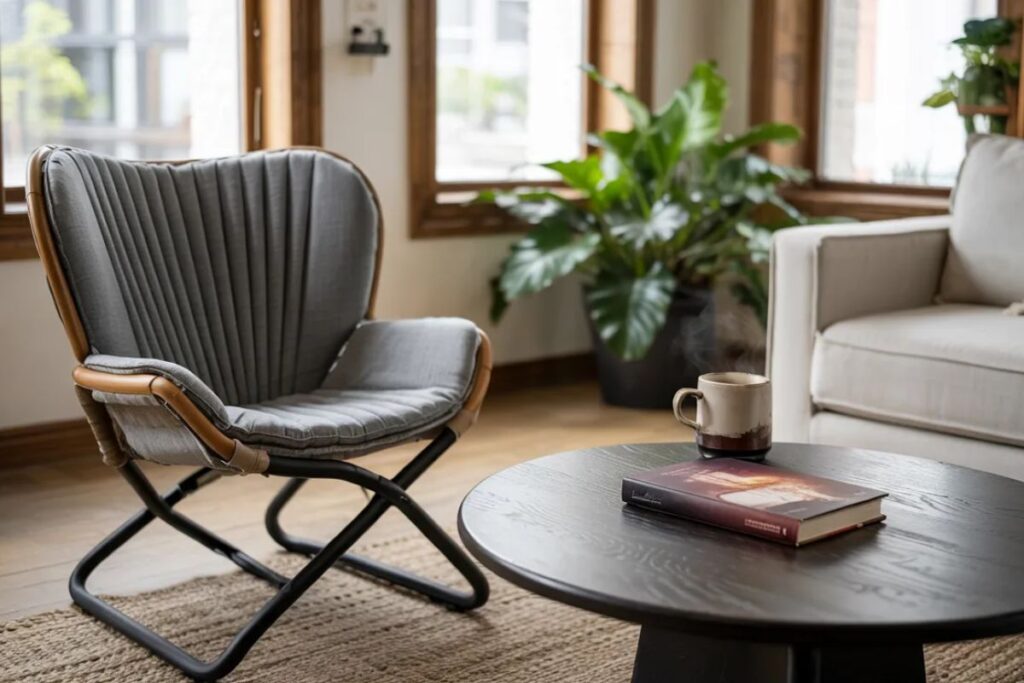
An accordion chair is a smart space-saving seating solution for modern homes.
Suddenly, your couch is full, someone’s leaning against a wall, and you’re dragging dining chairs into the living room. If you live in a smaller home or apartment, you’ve probably been there.
The issue isn’t that you don’t have seating—it’s that you don’t have flexible seating.
That’s exactly where an accordion chair comes in. It’s designed to stay out of the way when you don’t need it and show up when you do. Simple idea, but surprisingly effective.
The question is: does it actually work in real homes, or is it just another “clever” product that ends up unused?
Let’s walk through it in a practical, no-nonsense way.
What Is an Accordion Chair and How Does It Work?
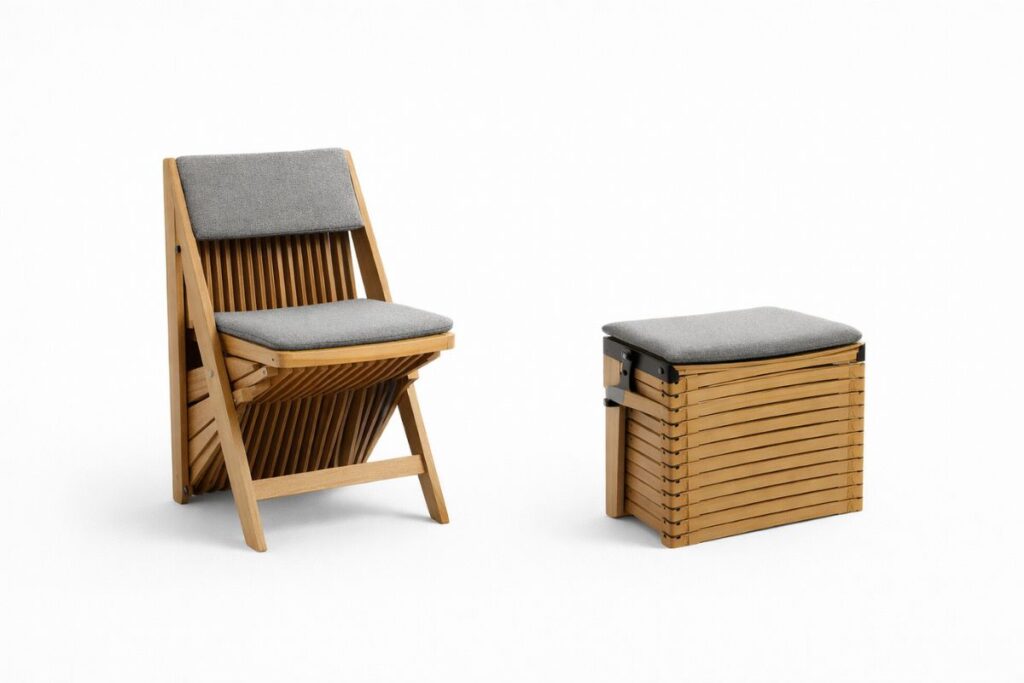
An accordion chair is essentially a foldable, expandable chair that compresses down for storage and opens up when you need a seat.
The name comes from how it expands—similar to an accordion instrument. Instead of just folding flat like a basic chair, it often has a structure that stretches and collapses.
What Makes It Different?
- It’s built for indoor use, not just events or extra seating in a garage
- It often looks more like a modern accent chair than a utility chair
- It’s designed with small spaces in mind
If you’re picturing those metal folding chairs from parties, this is a noticeable upgrade—at least when you pick the right one.
Why an Accordion Chair Makes Sense in Real Homes
It Keeps Your Space Open (Most of the Time)
Here’s the reality: you don’t need extra seating every day.
So why dedicate permanent space to it?
With an accordion chair:
- You use it when needed
- You store it when you don’t
- Your room stays uncluttered
Think about a typical apartment in San Francisco or Chicago. Space is tight. Every piece of furniture needs to justify itself. This kind of chair earns its spot by not always taking one.
It Fits the Way People Actually Live Now
Homes aren’t single-purpose anymore.
Your living room might double as:
- A workspace
- A reading area
- A place to relax and host
An accordion chair works with that flexibility. It doesn’t force a fixed layout, which is a big deal in smaller homes.
Where an Accordion Chair Works Best
Living Room: Easy Guest Seating
Let’s say you’ve got a small living room and a three-seat couch. That’s fine—until you have four or five people over.
Instead of squeezing in permanent chairs:
- Pull out your accordion chair
- Use it when needed
- Store it afterward
No rearranging your whole space.
Bedroom: Surprisingly Useful
This is one people overlook.
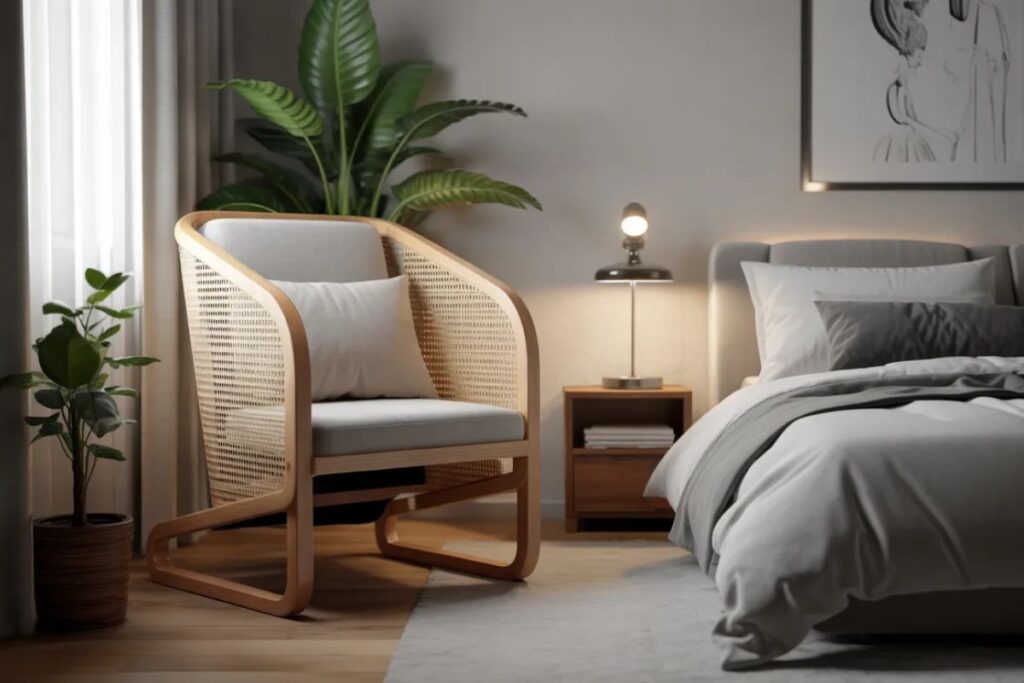
An accordion chair works well in a bedroom for:
- Sitting while getting dressed
- Reading near a window
- Giving guests a place to sit
And when you don’t need it? Fold it up and move on.
Home Office: Occasional Seating Without Clutter
Not everyone needs a second office chair sitting there all day.
If someone occasionally joins you:
- Bring out the accordion chair
- Put it away after
It keeps your workspace clean and functional.
Entryway: A Simple, Practical Upgrade
If you’ve ever balanced on one foot putting on shoes, you know how useful a seat can be.
But not every entryway has room for a bench.
An accordion chair solves that:
- Use it when needed
- Store it out of sight
Pros and Cons (What You’ll Actually Notice)
What Works Well
- Saves space without sacrificing function
- Easy to move around
- Works well for occasional use
- Looks better than most folding chairs
Where It Falls Short
- Not made for long sitting sessions
- Comfort can vary a lot
- Some cheaper models feel unstable
If you’re expecting a lounge chair experience, you’ll be disappointed. If you treat it as flexible seating, it does its job.
What to Look for Before You Buy
Build Quality Matters More Than You Think
This is where people often cut corners—and regret it.
Lower-quality chairs tend to:
- Wobble
- Feel flimsy
- Wear out quickly
Quick test:
If it feels unstable when you sit down, don’t assume it’ll “break in.” It won’t.
Comfort: Be Honest With Yourself
Ask yourself:
Would I actually sit here for 20–30 minutes?
If the answer is no, it’s probably too minimal.
Look for:
- Light padding
- A supportive back angle
- Enough width to sit comfortably
Size: Check Both Open and Folded
A lot of people only check how it looks when open.
That’s only half the story.
Make sure you know:
- How compact it gets
- Where it will actually be stored
If it doesn’t fit easily, you won’t use it.
Materials: Choose Based on Your Space
- Wood: blends better with indoor furniture
- Metal: strong but more industrial-looking
- Plastic/composite: lightweight and budget-friendly
If it’s going in your living room, aesthetics matter more than you think.
Floor Protection: Don’t Skip This
Hardwood floors are common in US homes.
Even a decent chair can scratch them over time.
Easy fix:
Add felt pads. Cheap, quick, and worth it.
Step-by-Step: Choosing the Right Accordion Chair
Step 1: Know How You’ll Use It
Guests once in a while? Go simple.
Regular use? Invest in comfort.
Step 2: Measure First, Buy Second
Check:
- Storage space
- Available room when in use
No guessing here.
Step 3: Set a Realistic Budget
Typical US ranges:
- $30–$70 → basic models
- $80–$150 → better comfort and durability
- $150+ → higher-end designs
Spending a little more often means fewer headaches later.
Step 4: Balance Comfort and Storage
You won’t get both extremes.
More comfort = slightly bulkier
More compact = less padding
Pick what matters more for your situation.
Step 5: Read Reviews Like a Pro
Ignore the overall rating for a second.
Look for patterns:
- Does it wobble?
- Do people complain about comfort?
- Does it hold up over time?
That’s where the real story is.
Common Mistakes to Avoid
- Buying the cheapest option and replacing it later
- Ignoring storage size
- Expecting it to replace a real chair
- Choosing style over stability
Pro Tips That Make a Difference
- Add a small cushion if you want better comfort
- Keep it somewhere accessible—not buried in storage
- Use felt pads to protect your floors
- If you host often, get two instead of one
These small tweaks make the chair far more useful day-to-day.
Accordion Chair vs Other Options
Folding Chair
Cheaper, but looks and feels basic.
Accent Chair
More comfortable, but takes up permanent space.
Stool
Compact, but no back support.
The accordion chair sits right in the middle—flexible, practical, and reasonably comfortable.
Who Should Actually Buy One?
A Good Fit If You:
- Live in an apartment or smaller home
- Need extra seating occasionally
- Want to keep your space uncluttered
Probably Not for You If:
- You need all-day seating
- Comfort is your top priority
- You have plenty of room for permanent furniture
Conclusion: A Small Upgrade That Solves a Big Problem
An accordion chair isn’t flashy. It’s not the centerpiece of your home.
But it solves a real problem—how to add seating without adding clutter.
If you choose a solid, comfortable model and use it the way it’s intended, it becomes one of those things you don’t think about often… until you need it.
And when you do, you’ll be glad it’s there.


1 thought on “Accordion Chair: The Best Space-Saving Seating Solution for Modern Homes”