
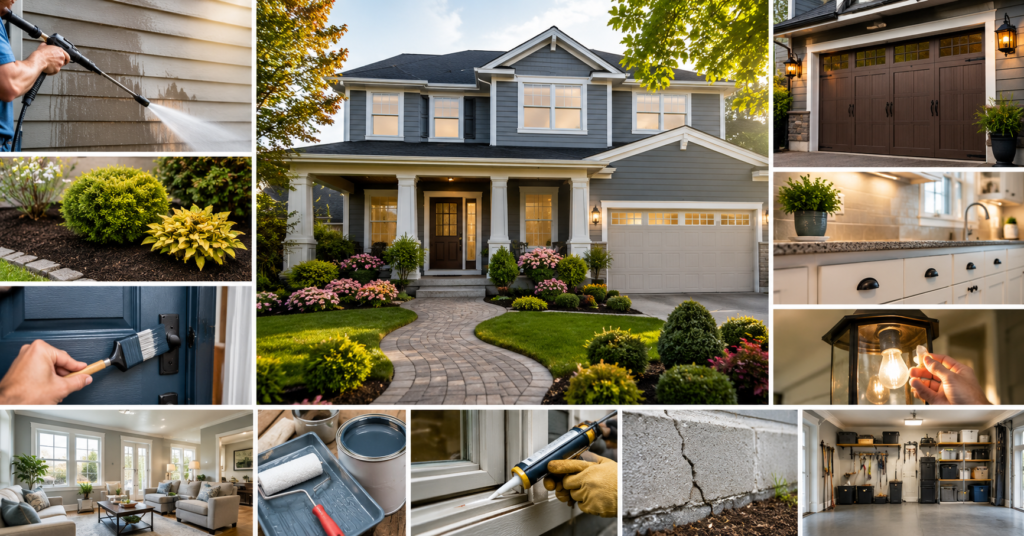
Quick Answer: The cheapest ways to increase home value are curb appeal upgrades like painting your front door (under $100, 188% ROI), deep cleaning and decluttering (nearly free), landscaping basics like fresh mulch and trimmed hedges ($200 to $400, up to 12% value increase), fixture swaps in kitchens and bathrooms ($500 to $2,000), and addressing foundation cracks before they become expensive structural problems. Most homeowners leave money on the table by skipping the cheap, high-ROI fixes while obsessing over expensive renovations that return less.
You do not need to spend $50,000 to increase your home’s value. In fact, some of the highest-returning improvements in 2026 cost under $500, and the single highest-ROI project you can do costs about $2,435 and returns nearly double that at resale.
The problem most homeowners have is spending money in the wrong places. A $30,000 primary suite addition returns about 24 cents on the dollar. A $100 can of paint on your front door can return several times that. The difference is not budget; it is strategy.
This guide covers 15 cheap ways to increase home value that are backed by real 2026 data from Remodeling Magazine’s Cost vs. Value Report, the National Association of Realtors, and real estate professionals who see what actually moves buyers. Every single upgrade here costs under $5,000, most cost under $500, and all of them deliver meaningful returns, whether you are planning to sell in six months or six years.
These cheap ways to increase home value work because buyers notice small improvements long before they notice expensive renovations.
Why Cheap Upgrades Often Outperform Expensive Renovations
Before getting into the list, it is worth understanding why inexpensive improvements frequently beat major renovations in return on investment.
Buyers cannot see the money you spent. They can only see the result. A freshly painted front door looks like a refreshed home, whether it costs $80 or $8,000. A sparkling clean kitchen reads as well-maintained, whether you scrubbed it yourself or hired a contractor. Buyers respond to what they see and feel when they walk through, not to what is on your renovation receipt.
The second reason is buyer psychology. Most buyers are looking for a home that they do not have to fix. Every deferred maintenance item they notice, a scuffed front door, overgrown bushes, a squeaky floor, a cracked foundation wall, subtracts from their mental offer price. Addressing these cheap fixes removes the subtractions before they happen.
The third reason is photography. In 2026, most buyers see your home in photos before they walk through. Curb appeal, clean surfaces, and fresh paint photograph dramatically better than neutral walls and a renovated master bathroom that does not show well on camera.
Many of the cheapest ways to increase home value start outside your home, where buyers form their first impression.
Cheap Ways to Increase Home Value with Better Curb Appeal
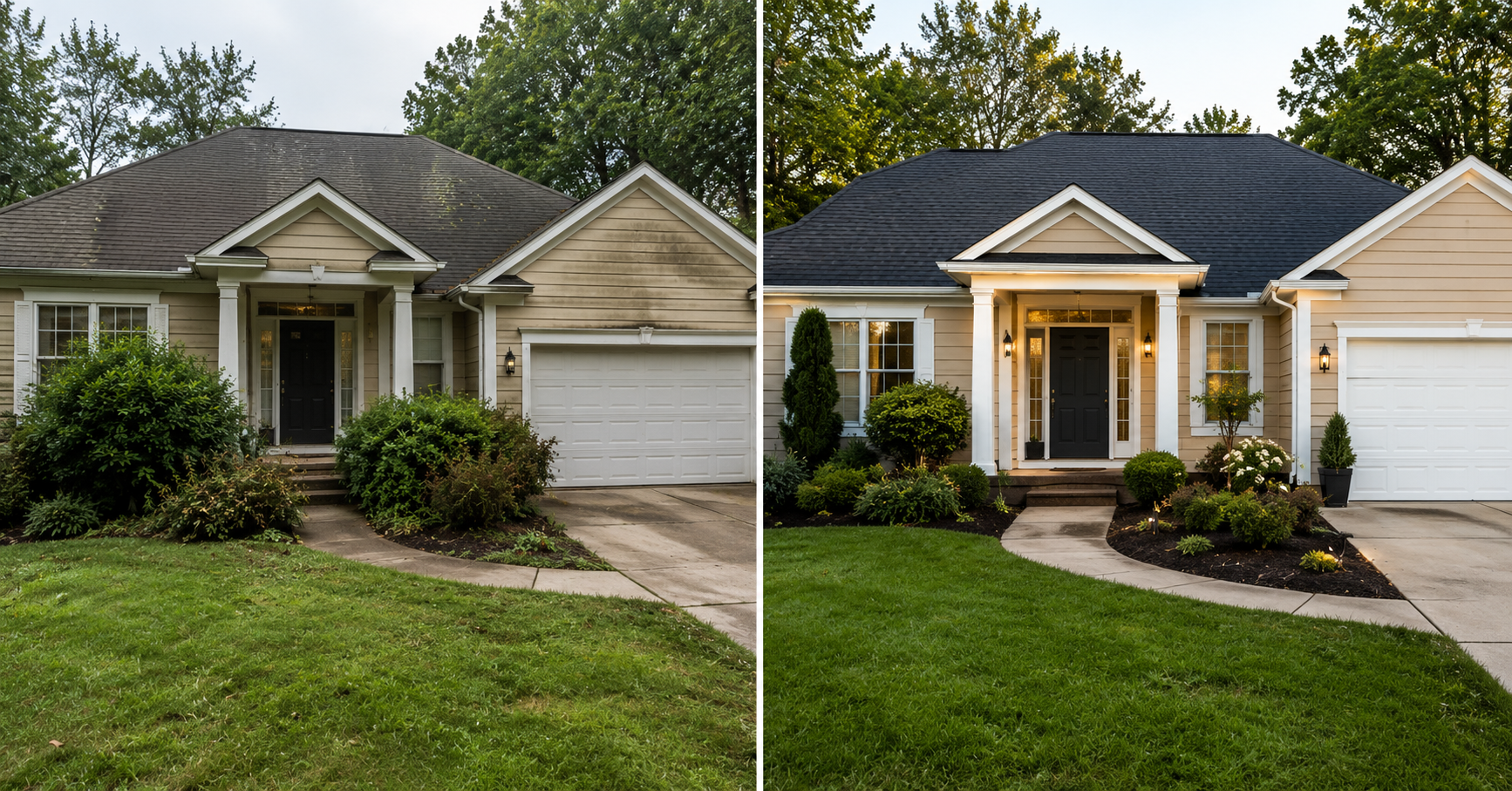
1. Paint Your Front Door (Under $100, Returns 188% or More)
This is the single most cost-effective improvement you can make to your home, and it costs less than a tank of gas. A steel entry door replacement, which costs about $2,435 installed, returns an average of $5,270 at resale according to 2026 data, a return of over 188%. You do not even need a new door to capture most of this effect. A fresh coat of exterior paint on your existing door delivers a significant portion of the same visual impact for under $100 in materials and one afternoon of your time.
The color decision matters. In 2026, design experts consistently recommend moving away from cool grays and toward warmer tones, earthy neutrals, and bold greens. Black remains the safest bold choice on almost any home style. A color that makes your door pop from the street in listing photos is the goal.
Sand and clean the door surface first, apply a quality exterior paint in at least two coats, and finish with a semi-gloss that holds up to weather and daily contact. Total cost including brushes, tape, and cleaner: under $100. Resale impact: measurable and meaningful.
2. Power Wash Everything ($150 to $500)
A pressure washed home looks cleaner, newer, and better-maintained than the same home with years of dirt, mold, and oxidation on the siding, driveway, and walkways. Most buyers and real estate agents can spot a dirty exterior immediately in listing photos, even if they cannot articulate exactly what looks wrong.
You can rent a pressure washer for $40 to $60 per day from any Home Depot or Lowe’s and do the work yourself, or hire a professional for $150 to $500, depending on home size and region. Focus on the siding, the driveway, the front walkway, and the front porch or stoop where visitors form their first impression.
According to real estate professionals surveyed in 2026, power washing is consistently one of the first things they recommend before listing. It is the lowest-cost-per-dollar-of-perceived-value improvement available.
3. Landscaping Basics: Mulch, Trim, and Edges ($200 to $400)
Basic landscaping, not a professional redesign, just trimmed hedges, defined bed edges, a healthy-looking lawn, and fresh dark mulch, can add 5 to 11 percent to your home’s perceived value according to National Association of Realtors data. On a $400,000 home, that is $20,000 to $44,000 in perceived value from $200 to $400 in materials and a weekend of work.
Here is what the basics look like in practice. A bag of fresh dark mulch costs $4 to $6 at any hardware store. A typical front yard needs 10 to 15 bags. Dark mulch against green plants and the house exterior is instant visual impact. Trimming overgrown hedges and shrubs removes the neglected appearance that kills buyer enthusiasm before they even reach the front door. Edging the lawn along the walkway and driveway creates a clean, intentional look that signals the property is maintained.
Seasonal flowers near the front door cost almost nothing, $20 to $40 for a flat of annuals, and add color and life that photographs extremely well. This is why agents consistently recommend them before listing, even in winter markets.
The NAR’s guidance on inexpensive curb appeal improvements is one of the most reliable data sources available on this topic. Their most recent report at nar.realtor confirms that basic landscaping improvements consistently outperform expensive exterior renovations on a dollar-for-dollar basis.
4. Clean and Repair Your Garage Door ($0 to $500)
Garage doors are the number one ROI home improvement project in 2026, according to the Remodeling Magazine Cost vs. Value Report, with returns of over 268 percent for a full replacement. But you do not need to replace yours to capture much of this value.
A clean, well-maintained garage door transforms the entire front of a home. The garage door occupies a large portion of your home’s street-facing facade, which means its condition is immediately visible and strongly influences curb appeal.
Start by cleaning the door thoroughly. Remove dirt, grime, and any mildew from the panels. Touch up faded or chipping paint with matching exterior paint. Refresh the trim edges for a sharper outline. Replace any broken panels or damaged hardware. Replace the weatherstripping at the bottom if it is cracked or compressed. These repairs typically cost $0 to $200 in materials and deliver a dramatic visible improvement.
If your garage door is older than 15 years and cosmetically beyond repair, a new door at $1,500 to $4,000 installed is still one of the best investments you can make before selling. Nothing else in that budget range comes close to this ROI.
5. Update Exterior Light Fixtures ($30 to $150 per fixture)
Dated brass or builder-grade outdoor light fixtures signal an older, unupdated home, even when everything else looks fine. Replacing them with modern alternatives in matte black, brushed nickel, or oil-rubbed bronze takes about 20 minutes per fixture and costs $30 to $150 each, depending on style.
Focus on the two or three fixtures that are most visible from the street: the porch light beside the front door, any garage-mounted fixtures, and any pathway lights along the front walk. These fixtures appear in every listing photo and influence first impressions on every showing.
Solar pathway stakes along the front walkway cost $15 to $40 for an eight-pack and require no wiring. They improve both the daytime appearance and the evening safety of the front approach, which matters for evening showings.
Once the exterior is complete, these cheap ways to increase home value continue inside the house with simple cosmetic improvements.
Interior Updates That Cost Little and Return a Lot
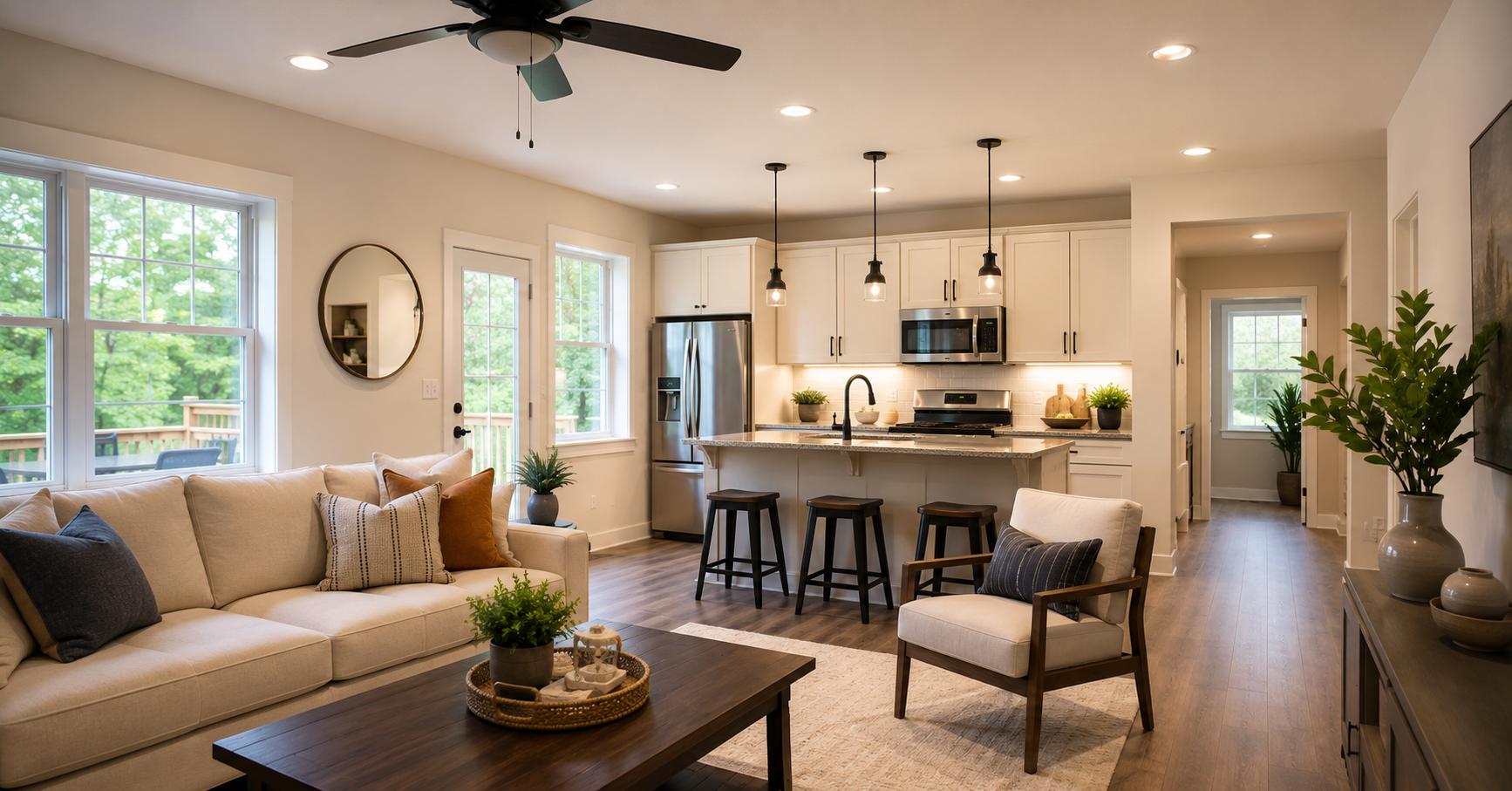
6. Deep Clean and Declutter (Nearly Free)
A professionally clean home, carpets steam cleaned, grout scrubbed, windows polished, and surfaces clear of clutter, shows dramatically better in photos and in person than the same home with normal lived-in accumulation. Buyers cannot always articulate why a home feels right or wrong, but cleanliness and openness are major unconscious signals that the home has been well-cared for.
Decluttering removes visual noise that makes rooms feel smaller than they are. Buyers who cannot see the floor space, the countertops, and the wall surfaces cannot envision living there. A clean, decluttered home requires no imagination and allows buyers to project their own lives onto the space.
Cost: nearly zero for DIY, or $200 to $400 for a professional deep clean, and $100 to $300 for a junk removal service. The impact on perceived value can prevent a buyer from lowering their offer based on perceived neglect and supports a faster, cleaner sale.
7. Swap Out Hardware and Fixtures ($500 to $2,000 for the whole house)
Dated hardware is one of the most reliable signals of an older, unupdated home. Brass cabinet pulls, bronze faucets, and builder-grade ceiling fans from the early 2000s read as dated to buyers who have been scrolling through updated homes online. Replacing them signals a maintained, modernized property without touching walls or cabinetry.
Swapping kitchen cabinet pulls from brass to brushed nickel or matte black costs $2 to $8 per pull and takes one minute each with a screwdriver. Replacing a builder-grade ceiling fan with a modern one costs $80 to $200 in materials and about 30 minutes. Updating bathroom faucets to a clean brushed nickel or matte black finish costs $50 to $150 per fixture.
Done across the whole house, these swaps cost $500 to $2,000 and transform the feel of the home without a single renovation. Real estate data consistently shows this type of update adds perceived value of $500 to $2,000 at resale, making it essentially a dollar-for-dollar return at minimum.
8. Fresh Interior Paint ($200 to $600 per room)
Fresh paint is one of the most impactful visual changes you can make to any interior space. In 2026, the colors that add value are specific. Warm whites, warm greiges, and muted sage greens are consistently the top performers in terms of buyer appeal. Cool grays and stark whites, which dominated interiors for the previous decade, now read as dated to buyers who have been following current design trends.
For more guidance on which specific paint colors add the most value in living spaces and which ones to avoid in 2026, the guide on living room color ideas covers the exact paint names, finish types, and room-by-room application that maximize buyer appeal and perceived value.
Focus your painting budget on the rooms that photograph best and matter most to buyers: the main living area, the primary bedroom, and the kitchen if the walls are visible. A freshly painted main living area alone can shift buyer perception of the entire home.
9. Refresh Caulk and Grout ($20 to $100)
Nothing makes a bathroom or kitchen look older than gray or mildewed grout and cracked, yellowed caulk. Nothing makes the same room look cleaner and more maintained than bright white grout and fresh caulk. The cost difference between these two states is $20 in materials and two hours of your time.
Regrout tile in showers, around tubs, and on backsplashes. Recaulk the perimeter of every tub, shower, and sink. Buyers who see clean grout and fresh caulk read the bathroom as updated, even if nothing else has changed. Buyers who see gray or cracked grout begin mentally calculating renovation costs and subtracting from their offer.
10. Refinish or Deep Clean Hardwood Floors ($200 to $1,500)
If your home has hardwood floors under carpet, pulling the carpet is one of the highest-ROI decisions you can make. Buyers in 2026 consistently prefer hardwood over carpet, and discovering original hardwood floors during a showing creates genuine excitement that translates to stronger offers.
If your existing hardwood floors are in poor condition, a professional screen and recoat, which buffs the surface and applies a new finish layer without sanding down to bare wood, costs $200 to $500 for a typical room and makes floors look nearly new. A full refinish runs $1,000 to $1,500 per room, but can add several thousand dollars in perceived value.
For homeowners dealing with the common problem of squeaky hardwood floors before selling, the guide on how to fix squeaky hardwood floors covers every fix from powder lubricant to screws and shims, most of which cost under $30 and take under an hour.
Some cheap ways to increase home value are not cosmetic. Preventing inspection problems can protect your home’s asking price.
Structural Fixes That Protect and Add Value
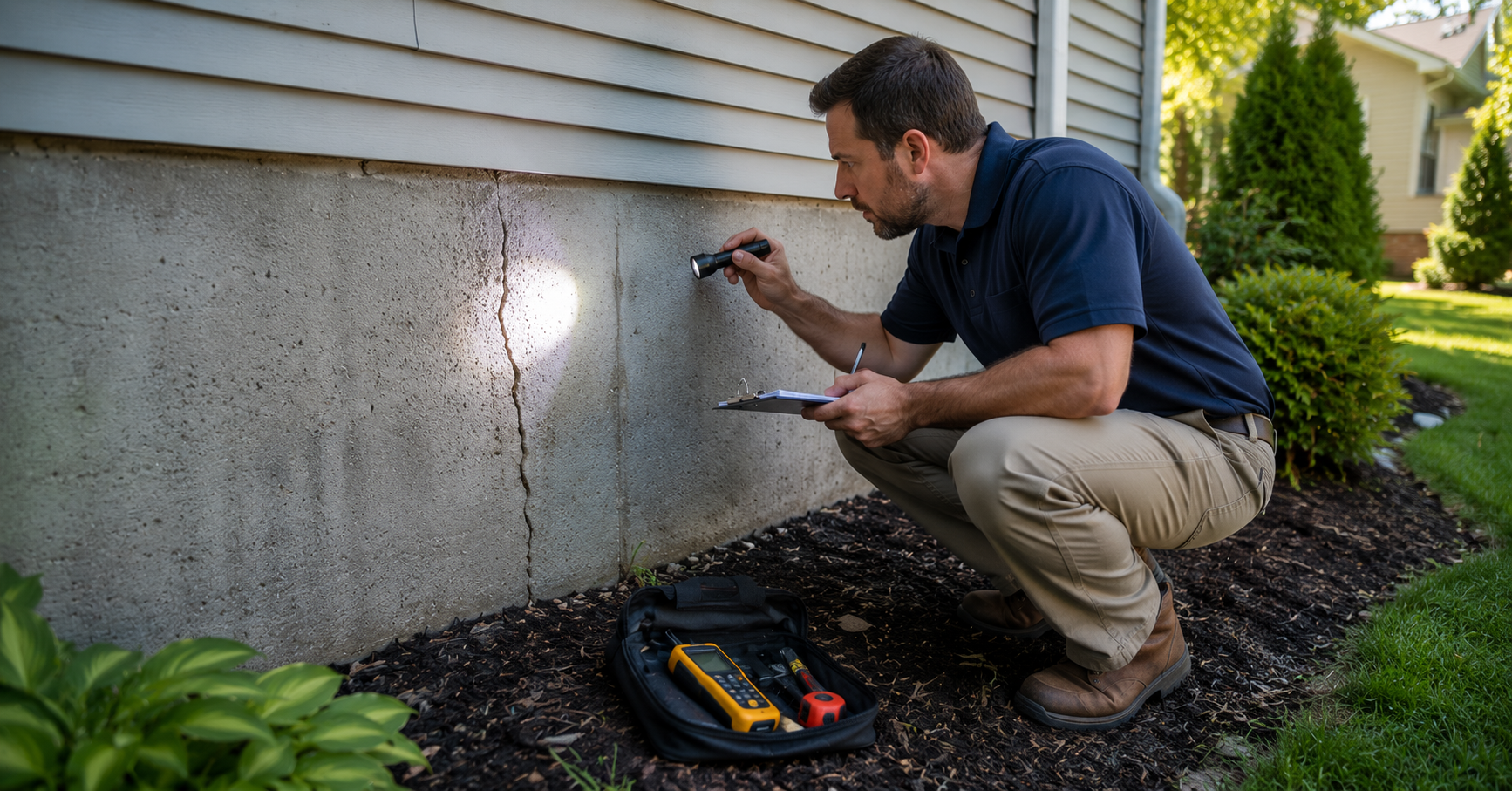
11. Address Foundation Cracks Before They Cost You Thousands
This is the one on this list that most homeowners skip because it is not visually satisfying the way a fresh coat of paint is. It is also the one that can derail an entire home sale at the inspection stage and cost you far more than the repair would have.
Foundation cracks are one of the top red flags in any home inspection. A buyer’s inspector who finds significant foundation cracking will note it prominently; the buyer will get a structural engineer quote, and the resulting negotiation will almost always cost you more than the repair. Worse, buyers sometimes walk away entirely, and the next buyer’s inspector finds the same crack.
Small hairline cracks in poured concrete foundations are typically cosmetic and inexpensive to address. Wider cracks, horizontal cracks, or cracks with displacement are a different matter and need professional evaluation. Addressing these proactively, before listing and before inspection, removes the issue from the negotiation entirely and allows you to disclose a repaired crack rather than an unaddressed one. For homeowners in Texas dealing with foundation issues, professional guidance from a foundation specialist like Brushy Creek Foundation Repair provides expert assessment and repair options specific to the soil conditions and climate of the region.
For buyers and sellers trying to understand what inspectors look for and how foundation issues affect negotiations, the guide on home inspection checklist for buyers covers exactly how foundation findings are evaluated and what the cost and negotiation implications look like.
12. Fix Every Deferred Maintenance Item ($0 to $500)
Walk through your home like a buyer and a home inspector simultaneously. Make a list of every broken, worn, loose, or non-functioning item you see. Leaky faucets. Running toilets. Sticky doors. Broken window latches. Cracked switch plates. Missing grout. Burned-out light bulbs. Damaged weatherstripping.
Each item on that list costs a buyer money or effort to fix. Each one subtly signals that the home has not been maintained. And buyers who find a long list of deferred maintenance items, even small ones, lower their mental offer price before they leave the showing.
Most of these items cost $5 to $50 to fix yourself. The collective impact of fixing all of them is a showing that feels like a well-maintained home rather than a project. This difference is worth thousands in buyer perception, even when no individual repair costs more than a trip to the hardware store.
13. Improve Energy Efficiency (Cost Varies, Strong Buyer Appeal)
Energy efficiency is increasingly important to US home buyers in 2026. A 2025 study found that 23 percent of the US workforce worked from home in late 2025, meaning more buyers are thinking about year-round energy costs in ways that previous generations of buyers did not.
The cheapest energy efficiency upgrades start with weatherstripping around exterior doors and windows, which costs $10 to $50 per door and window and reduces drafts that buyers notice on showings. Adding a programmable or smart thermostat costs $60 to $150 and appeals to buyers who expect smart home features in modern homes. Replacing incandescent bulbs with LED throughout the house costs $40 to $100 for the whole home and reduces energy bills that sellers can cite as a selling point.
More significant energy upgrades, like attic insulation at $1,500 to $3,000 and window replacement at $300 to $700 per window, carry a federal tax credit of up to 30 percent under the Energy Efficient Home Improvement Credit, which reduces the net cost considerably. For maximum buyer appeal in the current market, energy efficiency improvements are worth factoring into your pre-sale strategy alongside cosmetic updates.
If your budget is limited, prioritize these cheap ways to increase home value in the order below.
The 2026 Priority Order: Where to Spend Your Budget First
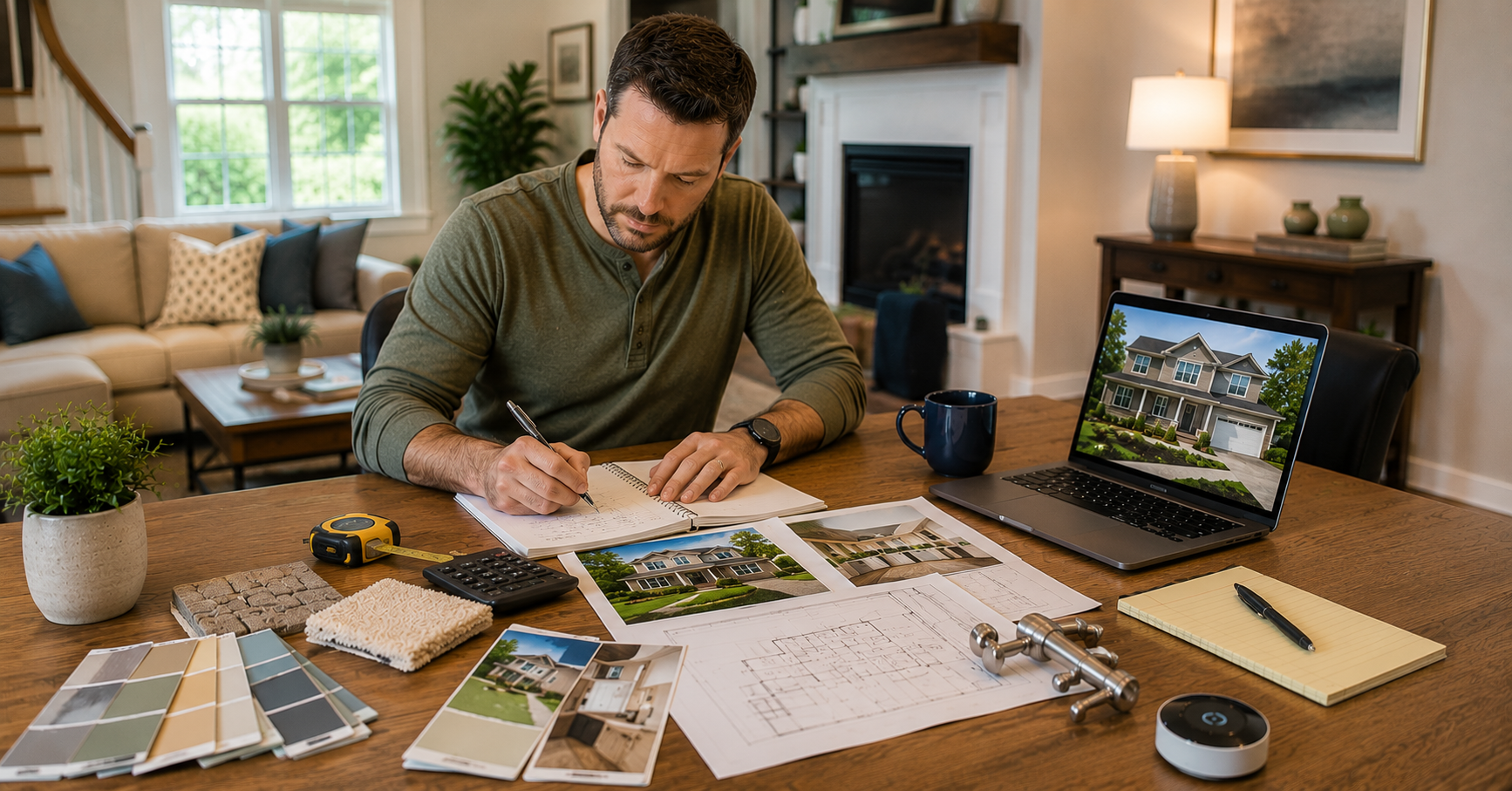
If you are working with a limited budget and need to prioritize, here is the order that delivers the most value per dollar spent based on current 2026 real estate data:
| Priority | Upgrade | Typical Cost | Expected ROI |
| 1 | Deep clean and declutter | $0 to $400 | Prevents offer reductions |
| 2 | Front door paint or replacement | $100 to $2,500 | 188% on replacement |
| 3 | Curb appeal basics (mulch, trim, edges) | $200 to $400 | 5 to 12% value increase |
| 4 | Power wash exterior | $150 to $500 | Prevents offer reductions |
| 5 | Fix all deferred maintenance | $100 to $500 | Prevents offer reductions |
| 6 | Refresh grout and caulk | $20 to $100 | Buyer perception shift |
| 7 | Hardware and fixture swaps | $500 to $2,000 | Near dollar for dollar |
| 8 | Fresh interior paint | $200 to $600 per room | Buyer appeal improvement |
| 9 | Exterior light fixtures | $100 to $400 | Curb appeal multiplier |
| 10 | Address foundation cracks | $300 to $5,000 | Prevents sale derailment |
What NOT to Spend Money On Before Selling
Knowing what to skip is just as important as knowing what to do. These are the upgrades that consistently disappoint on ROI.
Luxury bathroom additions. A primary suite addition returns about 24 percent of its cost at resale, according to 2026 data. Do not add a bathroom to sell. Add one to enjoy, but do not expect to recoup the investment.
High-end kitchen gut renovation. A mid-range kitchen remodel returns 45 to 75 cents on the dollar, depending on the market. A minor kitchen refresh, new hardware, fresh paint, and updated lighting return much more per dollar spent.
Converting a bedroom to something else. Removing bedrooms almost always reduces value regardless of what replaces them. Bedroom count is one of the primary valuation factors in US real estate.
Highly personalized upgrades. Neon accent walls, bold tile patterns, or highly specific design choices that reflect your personal taste rather than broad buyer appeal consistently reduce the number of buyers who connect with the home and suppress offers.
Overpaying for features your neighborhood does not support. Putting a $50,000 pool in a neighborhood where no other homes have pools does not add $50,000 to your value. Improvements need to be in line with neighborhood comps to deliver full returns.
The best cheap ways to increase home value don’t require a massive renovation budget. Small upgrades like improving curb appeal, fixing deferred maintenance, refreshing paint, and making strategic repairs can significantly increase buyer interest and resale value. Focus on the improvements buyers notice first, and you’ll maximize your return without overspending.
Frequently Asked Questions
Q: What is the cheapest way to increase home value before selling?
A: One of the best cheap ways to increase home value is deep cleaning and decluttering, which costs almost nothing and prevents buyers from mentally subtracting from their offer based on perceived neglect. Painting your front door costs under $100 and delivers one of the highest visible returns available. Refreshing caulk and grout in bathrooms costs $20 to $100 and transforms buyer perception of cleanliness and maintenance. These three done together cost under $200 and produce a measurably better showing experience.
Q: How much value does curb appeal add to a home?
A: According to National Association of Realtors data, improving curb appeal can increase a home’s sale price by up to 7 percent. Upgrading landscaping from average to excellent can increase perceived home value by 10 to 12 percent, according to Virginia Tech Extension research. On a $400,000 home, that is $28,000 to $48,000 in perceived value from investments that often cost $200 to $1,000 in materials.
Q: Do foundation cracks affect home value?
A: Yes, significantly. Foundation cracks are one of the top inspection red flags and frequently trigger price negotiations, requests for structural engineering reports, and occasionally cause buyers to walk away entirely. Addressing cracks proactively before listing costs less than negotiating their repair after inspection and removes the issue from the sale process.
Q: Which home improvements have the highest ROI in 2026?
A: Garage door replacement leads at over 268 percent ROI. Steel entry door replacement follows at 188 percent ROI. Stone veneer siding returns 208 percent. Curb appeal basics, including landscaping, power washing, and exterior paint, return 5 to 15 percent in home value. These consistently outperform expensive interior renovations on a percentage basis.
Q: Can you increase home value without spending much money?
A: Yes. The most effective value-protecting moves, deep cleaning, decluttering, fixing deferred maintenance, refreshing caulk and grout, and improving curb appeal basics, cost almost nothing in materials and primarily require time. These steps prevent buyers from lowballing based on perceived neglect and ensure the home shows at its best. Spending $500 on these basics almost always delivers a better return than spending $5,000 on a cosmetic renovation.
Trying to figure out which cheap improvements make the most sense for your specific home before selling? Drop your home’s age, general condition, and current budget in the comments, and we will help you prioritize the upgrades that will move the needle most for your situation.

Samreen Khadim Hussain is a home improvement writer and content creator at Domelite Home. She specializes in making home renovation, interior design, and bathroom safety accessible to everyday US homeowners, turning technical subjects into clear, actionable advice. Her work is rooted in research, real-world practicality, and a genuine belief that a better home is within everyone’s reach.
2 thoughts on “Cheap Ways to Increase Home Value: 15 Upgrades That Actually Pay Off”