Quick Answer: The best study room ideas combine a comfortable desk, a supportive chair, an organized bookshelf, practical storage, and good lighting. Position your desk near natural light, choose furniture that fits your available space, and keep frequently used items within easy reach. Whether you have a dedicated room or a small corner, the right layout and furniture can create a comfortable environment for studying, reading, and working.
A well-planned study room makes it easier to concentrate, organize books, and complete everyday tasks. However, choosing suitable furniture and arranging everything in a limited space can be challenging. These practical study room ideas will help you create an attractive and organized workspace for students, professionals, and families.
1. Plan Your Study Room Before Choosing Furniture
Start by considering how you’ll use the room. A student may need space for textbooks, notebooks, and a computer, while someone working from home may require a larger desk and additional storage.
Choose a quiet location where you can concentrate without frequent interruptions. If you do not have a separate room, consider an unused bedroom corner or part of your living room.
Before purchasing furniture, measure the available area and identify the locations of windows, doors, and electrical outlets.
A practical study area should have:
- Enough space for a desk and chair
- Access to natural light
- Convenient electrical outlets
- Suitable storage for books and supplies
- Enough clearance to move the chair comfortably
If you are creating a workspace in a shared room, a sliding panel room divider can help separate the study area from the rest of the space.
2. Choose the Right Study Desk


A desk is one of the most important pieces of study room furniture. It should provide enough surface space for your daily activities without making the room feel crowded.
Consider these popular options:
- Writing desk: A simple option for reading, writing, and homework.
- Computer desk: Provides space for a monitor, keyboard, and accessories.
- Corner desk: Makes good use of an unused corner.
- Wall-mounted desk: A useful choice for compact rooms.
- Desk with drawers: Provides convenient storage for stationery and documents.
Choose a desk based on your needs rather than appearance alone. Measure the available space and leave enough room to pull out your chair comfortably.
3. Select a Comfortable Study Chair
A comfortable chair makes long study and work sessions easier. Look for a design with suitable back support, adjustable height, and a seat that fits your body.
Your feet should rest flat on the floor or on a footrest. Your shoulders should remain relaxed, and your elbows should be close to your body when typing.
For more guidance, read Duke University’s computer workstation adjustment recommendations. They explain how to position your chair, monitor, keyboard, and mouse.
Do not choose a chair based on style alone. Comfort and proper support should be your priorities.
4. Organize Your Study Room Bookshelves

Bookshelves provide storage for textbooks, notebooks, reference materials, and decorative accessories. They can also make the room look more organized.
Choose a bookshelf according to your collection and available wall space.
Open bookshelves: These make books easy to access and display. They work well when you want storage to contribute to the room’s design.
Closed cabinets: These keep books and supplies out of sight, creating a cleaner appearance.
Floating shelves: These are useful when floor space is limited. Install them securely and check their weight capacity before adding books.
Arrange frequently used materials on accessible shelves. You can organize the remaining books by subject, size, or category.
For more inspiration, explore these study bookshelf ideas.
5. Try Small Study Room Ideas to Save Space
A small study room can still be functional and attractive. The key is to choose furniture that serves a purpose and avoid filling the space with unnecessary items.
Try these practical solutions:
- Use a compact desk instead of an oversized workstation.
- Install floating shelves above the desk.
- Choose furniture with built-in drawers.
- Use vertical storage to keep the floor clear.
- Select a slim chair that fits under the desk.
- Keep decorative accessories to a minimum.
A wall-mounted desk can be particularly useful in a bedroom or small apartment. You can also explore these space-saving furniture ideas for more ways to use limited space effectively.
6. Improve Study Room Lighting
Good lighting makes reading, writing, and computer work more comfortable. Whenever possible, position your desk near a window to benefit from natural daylight.
However, avoid placing your computer screen where direct sunlight creates glare. Adjust the desk position or use window coverings to control bright light.
For evening study sessions, combine general room lighting with a desk lamp.
A practical lighting setup includes:
- Natural daylight during the day
- A ceiling light for general illumination
- An adjustable desk lamp for focused tasks
- Soft ambient lighting for a comfortable atmosphere
Avoid relying on a single dim light source, especially if you regularly read or write at your desk.
7. Choose Suitable Colors for Your Study Room
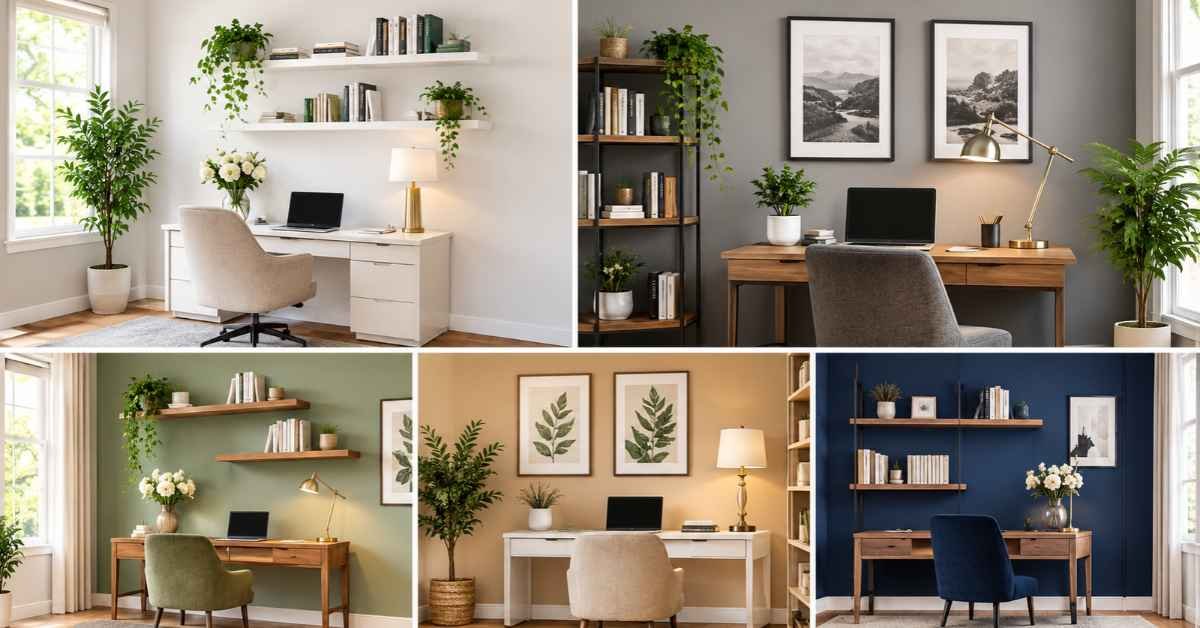
The right colors can make a study room feel calm, welcoming, and visually balanced. Choose shades that complement your furniture and the amount of natural light available.
Consider these options:
- Soft white: Creates a clean and bright appearance.
- Light gray: Provides a neutral background for different furniture styles.
- Sage green: Adds a natural touch without making the room look too bold.
- Beige: Creates a warm and understated atmosphere.
- Navy blue: Adds depth and works well as an accent color.
You do not need to paint every wall. A neutral base with one darker accent wall can give the room character without making it feel overwhelming.
8. Add Simple and Useful Wall Decor
Wall decor can make a study room feel more personal, but it should not distract from the main purpose of the space.
Consider adding:
- A simple wall clock
- A calendar or planning board
- Framed artwork
- A small pinboard for notes
- A minimal wall shelf
- A framed motivational quote
Choose a few items that complement the room rather than covering every available wall. Keep important notes and schedules somewhere easy to see.
9. Include Practical Storage Solutions
A cluttered desk makes it harder to find books, documents, and stationery. Practical storage keeps everyday supplies organized and helps maintain a tidy workspace.
Use desk organizers for pens, notebooks, chargers, and small accessories. Drawers can hold items you do not need throughout the day.
For larger collections of books and files, consider a cabinet or bookshelf. Label storage boxes if you use them for different subjects or categories.
Keep frequently used items close to your desk and store occasional-use supplies elsewhere.
10. Create Separate Zones for Different Activities
If your study room serves several purposes, divide it into simple functional zones.
For example:
- Study zone: A desk, chair, computer, and stationery.
- Reading zone: A comfortable chair, reading lamp, and small bookshelf.
- Storage zone: Cabinets, shelves, and boxes for books and supplies.
You do not need separate rooms for these activities. Furniture placement, rugs, and shelving can help distinguish each area.
This arrangement is particularly useful for shared family study rooms or larger home offices.
11. Add Indoor Plants for a Natural Touch
A small indoor plant can add color and soften the appearance of a study room. Choose a plant that suits the amount of natural light available.
Small potted plants can sit on a shelf or windowsill, while a floor plant may work in an unused corner. Avoid placing large pots on your desk if they reduce your working space.
If you prefer low-maintenance decor, choose a plant that does not require frequent attention.
12. Organize Cables and Electronic Accessories
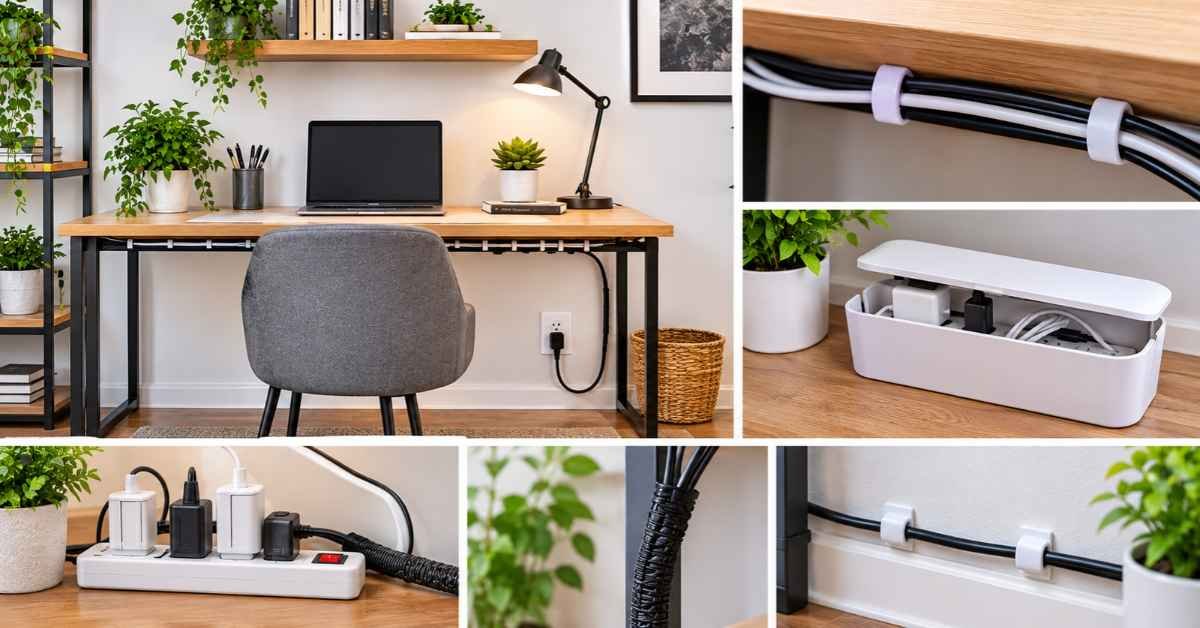
Chargers, computer cables, and extension cords can quickly make a study room look untidy.
Use cable clips, sleeves, or a cable management box to keep wires together. Place chargers and power strips where they remain accessible but do not interfere with your legroom.
Keep electronic accessories away from water and avoid overloading electrical outlets. A clean cable arrangement also makes it easier to clean the desk and floor.
13. Make Your Study Room Comfortable
Comfort involves more than choosing attractive furniture. The desk, chair, lighting, and room arrangement should support the activities you perform there.
For computer work, position the monitor directly in front of you and approximately an arm’s length away. Adjust its height so the top of the screen is at or slightly below eye level. Keep your back supported, shoulders relaxed, and feet on the floor or a footrest.
The University of Pennsylvania’s home office ergonomics guidance offers additional advice on workstation position, lighting, and taking movement breaks.
Also consider keeping a water bottle nearby and allowing enough space to stand up and stretch.
14. Choose a Study Room Style That Matches Your Home
Your study room does not need to look like a traditional office. Choose a design that complements the rest of your home.
Here are some popular styles:
- Modern: Clean lines, simple furniture, neutral colors, and minimal accessories.
- Minimalist: A practical desk, limited decor, and uncluttered surfaces.
- Traditional: Wooden furniture, bookcases, warm colors, and classic details.
- Scandinavian: Light wood, soft colors, natural materials, and functional storage.
- Dark academia: Deep colors, traditional bookshelves, wooden furniture, and vintage-inspired accessories.
Choose one main style and repeat its colors and materials throughout the room for a coordinated look.
15. Maintain an Organized Study Room
Even a well-designed study room can become cluttered without regular organization. Spend a few minutes at the end of each day putting books away, clearing the desk, and preparing supplies for your next session.
Use a weekly routine to review papers, remove unnecessary items, and organize shelves. Keep only the materials you need for current tasks within easy reach.
Simple organization habits help your workspace remain functional without requiring a major cleaning session every time you use it.
Study Room Furniture and Layout Comparison
| Study room setup | Best for | Main advantage |
| Compact desk and wall shelves | Small rooms | Saves floor space |
| Large desk and bookcase | Dedicated study rooms | Provides more workspace and storage |
| Corner desk and floating shelves | Unused corners | Uses available space effectively |
| Wall-mounted desk and storage boxes | Very limited spaces | Keeps the floor more open |
| Desk with drawers and closed cabinets | Shared family spaces | Reduces visible clutter |
Common Study Room Design Mistakes
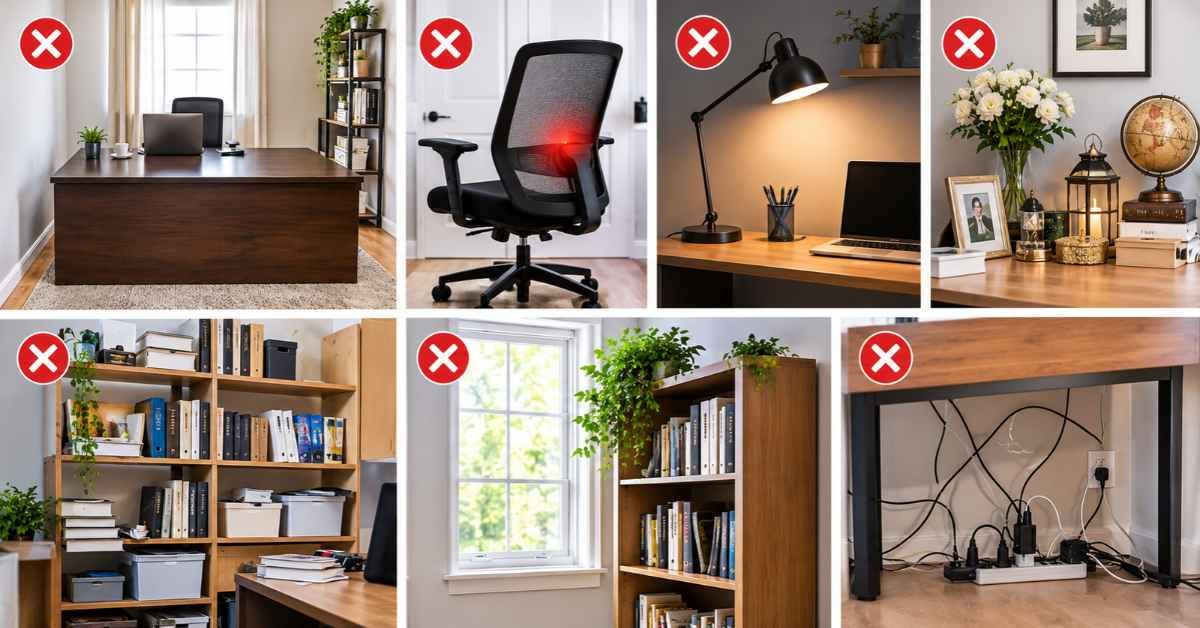
Avoid these common mistakes when planning your workspace:
- Choosing an oversized desk: Large furniture can make a small room feel crowded. Measure the space before buying.
- Ignoring chair comfort: A chair should provide suitable support for regular use.
- Using poor lighting: Insufficient light can make reading and writing uncomfortable.
- Adding too much decoration: Too many accessories can reduce useful workspace and create visual clutter.
- Ignoring storage: Without shelves, drawers, or cabinets, books and supplies can quickly spread across the room.
- Blocking natural light: Avoid placing tall furniture directly in front of windows when it unnecessarily reduces daylight.
- Leaving cables exposed: Organize wires to keep the desk and floor neat.
Conclusion
The best study room ideas combine comfortable furniture, organized storage, suitable lighting, and a layout that matches your available space. You do not need expensive furniture or a large dedicated room to create a functional workspace.
Start with a suitable desk, supportive chair, and practical storage. Then add shelves, lighting, and personal touches that complement your home. With thoughtful planning and regular organization, you can create a study room that is comfortable, attractive, and easy to use.
Frequently Asked Questions
1. What furniture should a study room have?
A basic study room should have a desk, a comfortable chair, and suitable storage for books and supplies. A bookshelf, desk lamp, and small cabinet can make the space more practical. Choose furniture according to your available space and daily activities.
2. What is the best color for a study room?
Soft white, beige, light gray, and sage green are popular choices because they create a balanced background. Navy blue and other deeper shades can work well as accent colors. The best option depends on your lighting, furniture, and personal preference.
3. How do you arrange a study room in a small space?
Start with a compact desk and place it where it receives suitable natural light. Use floating shelves, vertical storage, and furniture with built-in drawers to reduce clutter. Keep the floor as open as possible and avoid adding furniture that does not serve a clear purpose.
4. Where should a study desk be placed?
Place your study desk near a window when possible, but avoid direct sunlight or screen glare. Make sure there is enough space for your chair and that frequently used items remain within easy reach. For computer work, position the monitor directly in front of you.
5. How do I organize books in a study room?
Arrange books by subject, category, or size so they are easy to find. Keep frequently used textbooks and reference materials on accessible shelves. Use closed cabinets for items you do not need regularly, and avoid overcrowding shelves.
6. What type of lighting is best for a study room?
A combination of natural light, general room lighting, and a focused desk lamp works well. Natural daylight can brighten the room, while an adjustable lamp provides additional light for reading and writing. Position computer screens to reduce glare.
7. How can I make my study room look attractive?
Choose a consistent color scheme, suitable furniture, and a few decorative accessories. Add framed artwork, a small plant, or an organized bookshelf to give the room character. Keep the desk and other surfaces tidy so the design remains balanced.
8. How much space is needed for a study room?
A study area does not always require a separate room. A small corner with enough space for a desk, chair, and basic storage can serve as a practical workspace. The amount of space needed depends on the furniture, number of users, and activities.

I’m Samreen Khadim Hussain, a home improvement writer specializing in practical, research-driven content for U.S. homeowners. At Domelite Home, I cover home renovation, interior design, home maintenance, and residential safety, translating technical information and industry research into clear, actionable guidance. My approach combines search intent research, reliable sources, and reader-focused writing to help homeowners understand their options, make informed decisions, and create safer, more functional living spaces.