Quick Answer: A dark academia reading nook is a dedicated reading space inspired by traditional libraries, vintage interiors, and classic literature. You can create one in a window alcove, unused corner, hallway, apartment, or space beneath the stairs. Start with comfortable seating, accessible book storage, suitable task lighting, and a few traditional details. Even a small area can become a functional reading destination without changing your entire room.
How to Create a Dark Academia Reading Nook in Any Home
You don’t need a private library to enjoy having a dedicated place for reading. An unused corner, an awkward recess, or the space beside a window can provide enough room for a personal reading area.
A dark academia reading nook brings together the atmosphere of traditional libraries and the practical requirements of everyday reading. However, creating one involves more than choosing an antique-looking chair and adding a stack of books. You need to consider available floor space, comfortable seating, natural light, privacy, and how easily you can reach your reading materials.
The best approach is to identify an underused area and design around its existing dimensions. Here are 15 different ways to create a reading space that works in apartments, smaller homes, and larger interiors.
15 Dark Academia Reading Nook Ideas to Make Every Corner Count
1. Turn a Bay Window Into a Dedicated Reading Seat

A bay window provides a natural opportunity to create a reading nook without taking up space in the center of a room. Its recessed shape can accommodate a fitted bench while leaving the surrounding floor available for everyday activities.
Measure the window area before installing seating. A bench approximately 18–20 inches high can be a useful starting point, although the final dimensions should suit the window and the person using it. Add a supportive back cushion and a small movable table for books and reading glasses.
If direct sunlight makes reading uncomfortable, use adjustable blinds or light-filtering curtains.
2. Use the Space Between Existing Furniture
Look for overlooked spaces between existing furniture before purchasing anything new. The gap beside a cabinet, the end of a long hallway, or an unused section near a window might accommodate a compact reading chair.
Choose a seat that fits the available width without blocking drawers, doors, or walking paths. A narrow wall shelf can hold a few frequently used books, eliminating the need for additional floor-standing storage.
This arrangement is particularly useful when you want a separate reading destination but cannot dedicate an entire corner to it.
3. Convert an Under-Stair Recess Into a Reading Alcove
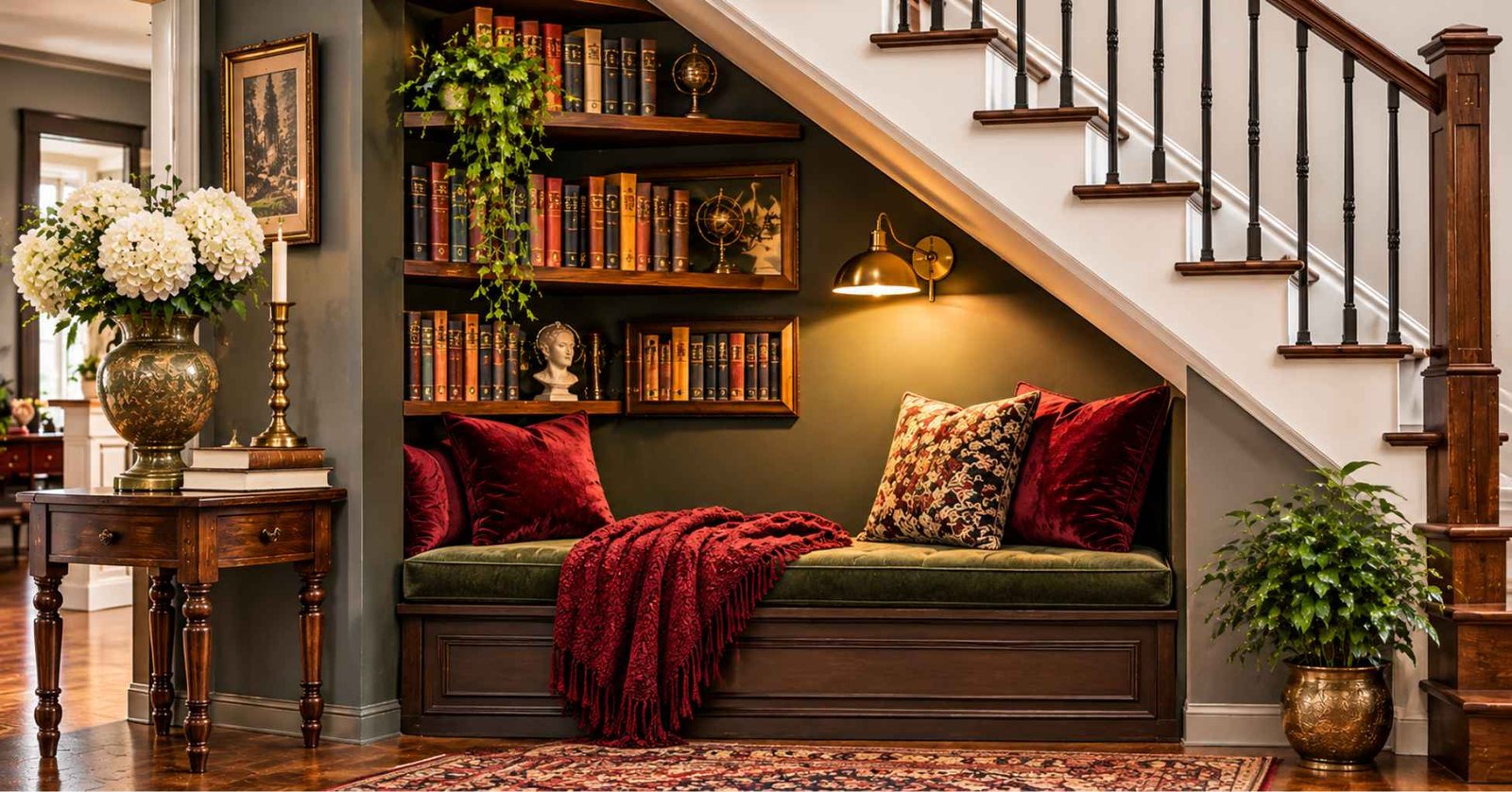
The space beneath a staircase often has an unusual shape that makes conventional furniture difficult to position. Instead of treating it as leftover storage, consider converting a suitable section into a reading alcove.
A fitted bench can follow the available wall dimensions, while shallow compartments beneath the seat provide space for books. Install a suitable wall-mounted reading light if electrical access is available.
Check the available headroom carefully. The seating position should allow you to enter, sit, and leave without hitting your head against the sloping ceiling.
4. Create a Reading Spot on a Hallway Landing
A wide staircase landing or upper-floor hallway can provide enough space for a small reading arrangement. This works particularly well in homes where bedrooms and living areas are already fully furnished.
Position a compact chair against a suitable wall and use a narrow shelf for your current reading material. Keep the central walkway open so the area remains practical for everyday movement.
A small rug can visually distinguish the reading spot from the rest of the hallway without requiring a physical partition.
5. Fit a Reading Seat Into an Unused Alcove
Recessed wall alcoves can become useful reading spaces because their existing structure already creates a sense of separation.
Measure the width and depth of the recess before selecting a seat. A fitted cushion on a sturdy built-in base may work better than a conventional armchair if the opening is narrow.
Use the wall above the seat for one small book ledge or a suitable reading light. This creates a functional arrangement without filling the limited space with unnecessary accessories.
6. Make a Reading Nook Behind the Sofa

If your living area has enough depth, the space behind a sofa can help establish a separate reading destination.
Position a compact chair behind the sofa, facing a window or a quieter section of the room. A narrow console or low book ledge can provide a subtle visual boundary between the two areas.
This layout is useful in open-plan homes where you want the reading space to feel distinct without installing a permanent partition.
7. Design a Reading Corner for a Small Apartment
Small apartments require careful use of floor space. Rather than choosing a large traditional armchair, consider a compact upholstered seat with a narrow profile.
Use a wall-mounted shelf instead of a freestanding bookcase. A folding side table can provide a temporary surface for books and drinks and be moved away when necessary.
The objective is to create a complete reading area using as few separate pieces as possible.
8. Create a Desk-Free Reading Destination
A reading nook doesn’t need a writing desk, computer, or study accessories. If your main purpose is enjoying novels, poetry, biographies, or historical literature, keep the arrangement focused entirely on reading.
Choose a comfortable seat, a practical place for your current book, and convenient lighting. Avoid adding work-related equipment that makes the area feel like another home office.
This simple distinction helps establish a dedicated space for recreational reading rather than studying or working.
9. Choose Seating That Supports Your Reading Position
Your reading seat should suit your body and the amount of time you spend using it. A chair that looks impressive but has a shallow seat or poorly positioned backrest may become uncomfortable during longer sessions.
Check whether your feet can rest comfortably on the floor and whether the backrest supports your preferred sitting position. If the chair is too high, a suitable footrest can help.
For additional guidance, see the Cambridge University Hospitals seating and ergonomics guide, which explains how seat height, foot support, and back positioning influence sitting comfort.
10. Position Reading Light Around Your Actual Seating Layout
Lighting should be planned around the position of your chair rather than selected as a decorative feature first.
For example, a wall-mounted adjustable lamp can work well beside a built-in bench, while a floor lamp may be more suitable for a freestanding chair. Position the light so that it reaches the pages without shining directly into your eyes.
Right-handed readers may find a light on their left useful, while left-handed readers may prefer the opposite arrangement. Adjust the position to reduce shadows from your hand.
For fixture styles and more detailed placement guidance, see our Dark Academia Lighting guide.
11. Add a Book Ledge Within Comfortable Reach
A dedicated reading area needs convenient access to books, but a large bookcase isn’t always necessary.
Install a narrow book ledge beside the seat at a comfortable reaching height. Keep only your current reading selection there rather than trying to display an entire collection.
Check that the shelf is securely attached and that books cannot fall onto the seating area. If wall installation isn’t possible, a small freestanding book rack can serve the same purpose. For additional storage inspiration, explore our Dark Academia Bookshelf guide.
12. Use a Floor-Level Reading Arrangement

A floor-level arrangement offers an alternative when a conventional chair doesn’t fit the available space.
Use a firm floor cushion with a separate supportive back cushion. A low table can hold books and other essentials without requiring a full-sized side table.
This layout works well in compact rooms and flexible multipurpose spaces. However, make sure you can get up and change positions comfortably, particularly if you intend to read for extended periods.
13. Create a Reading Nook in a Rental Without Renovation
Renters can create a dedicated reading area without drilling into walls, installing built-ins, or making permanent changes.
Use a freestanding reading lamp, a portable book rack, and a compact chair. A small rug can define the space, while removable wall hooks may accommodate lightweight accessories if permitted by the property owner.
Choose pieces that can move easily when you relocate. This makes the reading nook useful beyond your current home.
14. Use Existing Furniture to Establish a Literary Corner
You may already have everything needed to create a reading nook.
An unused dining chair can become a reading seat with an appropriately supportive cushion. A wooden stool can serve as a temporary side table, while an existing cabinet can store your books.
Move the pieces into a quieter location and test the arrangement before purchasing anything. If the seat isn’t comfortable enough, replace only that component rather than starting the entire setup again.
15. Separate Your Reading Space From a Shared Family Area

In a busy household, finding a quiet place to read can be more difficult than finding the actual space.
A lightweight open divider, a narrow freestanding book rack, or a strategically positioned chair can help establish a little separation from shared activities.
Avoid completely enclosing the area if it reduces natural light or makes the space feel cramped. The aim is to create a visual boundary and a more defined reading destination while keeping the surrounding room functional.
How to Plan the Space for a Dark Academia Reading Nook
Before buying furniture or installing shelves, measure the available area. The dimensions below are practical starting points, not fixed ergonomic requirements.
| Reading nook element | Suggested dimensions |
| Compact reading chair | 24–30 inches wide |
| Small side table | 12–18 inches wide |
| Window bench height | 18–20 inches |
| Narrow book ledge | 6–10 inches deep |
| Small reading rug | 3 × 5 feet |
| Walking clearance | Aim for 24–30 inches where possible |
The most important consideration is maintaining comfortable access. A reading chair should not block a doorway, interfere with furniture movement, or make an already narrow room difficult to navigate.
Practical Details That Make a Reading Nook Work
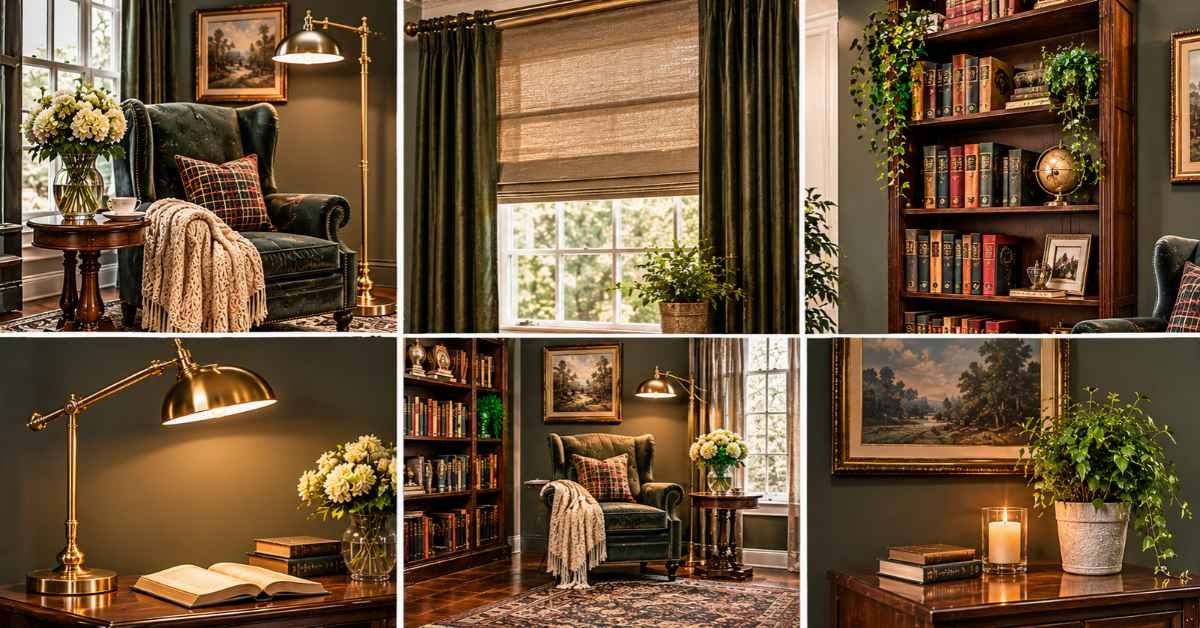
A well-designed reading nook should remain useful after the initial decorating is finished. Consider these details before completing your arrangement:
- Check seating comfort: Test the chair before purchasing and consider back support, seat depth, and foot position.
- Control window glare: Use suitable blinds or curtains if direct sunlight makes the pages difficult to read.
- Keep books accessible: Store frequently used titles within comfortable reaching distance.
- Choose appropriate lighting: Provide enough illumination to read clearly without excessive brightness or distracting glare. The Canadian Centre for Occupational Health and Safety lighting guidance explains the importance of sufficient task lighting, reduced glare, and controlled shadows.
- Allow movement: Leave enough room to enter, leave, and change sitting positions.
- Avoid unnecessary accessories: Every item should contribute to comfort, storage, or the overall appearance.
For furniture styles and material combinations that complement this aesthetic, explore our Dark Academia Furniture guide.
Conclusion
Creating a dark academia reading nook doesn’t require a separate library or a complete interior renovation. An unused alcove, window recess, hallway landing, or small apartment corner can provide enough space for a dedicated reading destination.
Start by identifying the most suitable location, then choose seating that supports your reading habits. Add accessible book storage, appropriately positioned lighting, and a few traditional details that complement your existing interior.
Whether you prefer a built-in window bench or a simple chair beside a narrow book ledge, the goal is the same: create a functional space that makes reading an enjoyable part of everyday life.
Frequently Asked Questions About Dark Academia Reading Nooks
1. How do you create a dark academia reading nook in a small space?
Choose an unused corner, window alcove, or narrow area beside existing furniture. Add a compact armchair or upholstered seat, a small side table, and a wall-mounted shelf for books. Use dark wood, burgundy or forest-green accents, and warm task lighting to establish the style without filling the entire area with furniture.
2. What colors work best for a dark academia reading nook?
The most suitable colors include forest green, burgundy, chocolate brown, walnut, charcoal, and deep navy. Use these shades in upholstery, cushions, rugs, or small accessories. Add parchment, cream, or muted beige to balance the darker tones and maintain enough visual contrast for reading.
3. Can you create a dark academia reading nook without painting the walls?
Yes. Keep your existing wall color and introduce the aesthetic through furniture, textiles, books, and accessories. A dark wood chair, burgundy cushion, traditional rug, framed botanical print, and brass reading lamp can establish the look without permanent changes. This approach also works well in rented homes.
4. What type of chair is best for a reading nook?
Choose a chair that supports your back and allows your feet to rest comfortably. A wingback chair, upholstered armchair, or compact reading chair can work well. Check the seat depth, back support, and available space before buying. Add a footstool only if it does not obstruct movement.
5. How do you keep a dark academia reading nook from looking cluttered?
Limit the area to a few useful and decorative pieces. Keep books within easy reach, use one small surface for essentials, and avoid filling every shelf or wall. Choose a consistent combination of dark wood, traditional patterns, and a few vintage-inspired accessories. Leave enough open space for comfortable movement.

I’m Samreen Khadim Hussain, a home improvement writer specializing in practical, research-driven content for U.S. homeowners. At Domelite Home, I cover home renovation, interior design, home maintenance, and residential safety, translating technical information and industry research into clear, actionable guidance. My approach combines search intent research, reliable sources, and reader-focused writing to help homeowners understand their options, make informed decisions, and create safer, more functional living spaces.