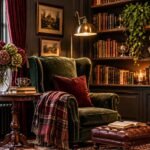
Quick Answer: Dark academia lighting combines warm bulbs, vintage-inspired fixtures, soft shadows, and layered illumination to create a cozy, scholarly atmosphere. The best choices include brass banker lamps, antique table lamps, traditional wall sconces, floor lamps, and bookshelf accent lights. Choose warm-white bulbs around 2700K to 3000K, use dimmers where possible, and combine ambient, task, and accent lighting to complement dark wood, burgundy, forest green, and deep brown interiors.
Dark interiors can look beautiful during the day but feel gloomy or difficult to use after sunset. The right dark academia lighting solves this problem by balancing practical brightness with the warm, nostalgic character of traditional libraries and historic study rooms.
What Is Dark Academia Lighting?
Dark academia lighting is a warm, layered lighting style inspired by old libraries, university reading rooms, historic homes, and traditional academic interiors.
Rather than filling every corner with bright overhead light, this style uses several smaller light sources to create depth and atmosphere. Think of an antique brass lamp illuminating an open book, a fabric-shaded table lamp beside a leather armchair, and a soft wall light highlighting framed artwork.
Popular materials include aged brass, bronze, dark metal, stained wood, and frosted or amber glass. These finishes work particularly well with deep green, burgundy, chocolate brown, charcoal, and other traditional dark academia colors.
The objective is simple: create a room that feels comfortable for reading and relaxing while retaining its old-world character.
How to Choose the Right Lighting for a Dark Academia Room
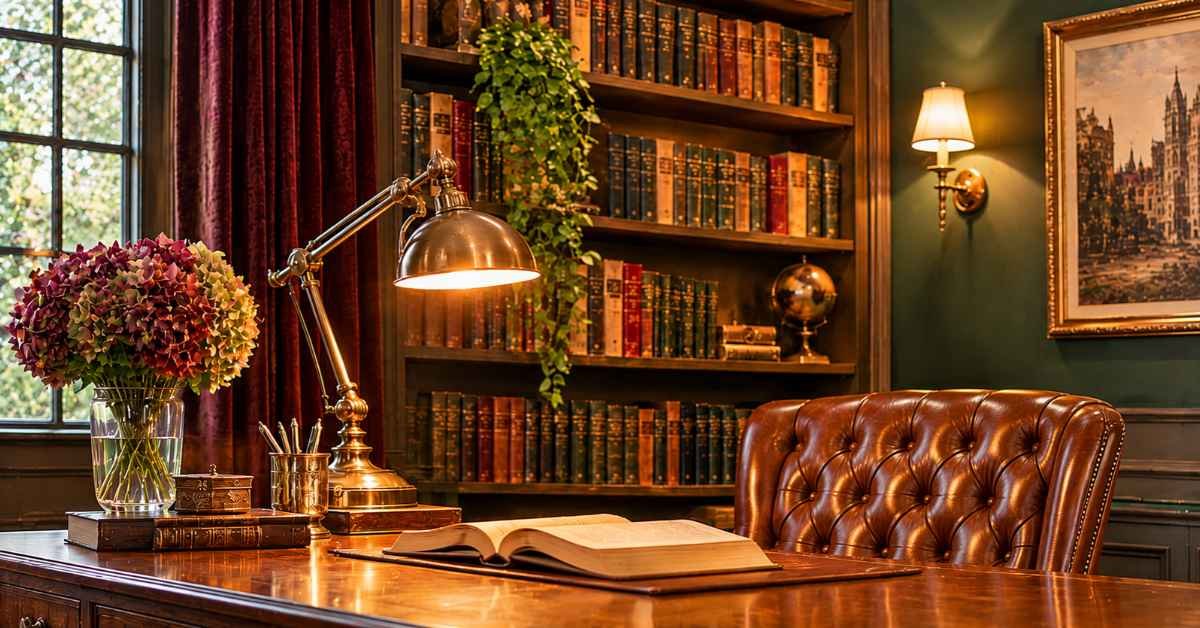
Choosing suitable fixtures is only part of the process. Bulb color, brightness, placement, and light distribution all influence the final appearance.
Best Light Bulb Color Temperature
Warm-white lighting between 2700K and 3000K is an excellent starting point for dark academia interiors.
Color temperature is measured in Kelvin (K). Lower numbers produce warmer, more yellow light, while higher numbers create cooler, whiter illumination.
The US Department of Energy’s guide to purchasing energy-efficient light bulbs explains that 2700K produces warm, friendly light suitable for homes and libraries, while 3000K provides a slightly different warm appearance. These temperatures complement traditional wood finishes, furniture, and fabrics.
For a cohesive appearance, consider these options:
- 2700K: Warm, soft illumination for bedrooms, living rooms, and reading corners.
- 3000K: Slightly crisper warm light for study areas and general illumination.
- 4000K and above: Cooler light that can look out of place in traditional dark academia interiors.
How Bright Should Dark Academia Lighting Be?
Dark academia rooms should feel softly illuminated, not excessively dark. The key is to provide enough light for everyday activities without losing the atmosphere.
Use a combination of general lighting and brighter task lighting. For example, a study desk needs focused illumination for reading and writing, while a decorative bookshelf can have much softer accent lighting.
The Illuminating Engineering Society’s residential lighting recommendations cover lighting quality, illumination levels, fixture selection, lighting controls, and energy considerations for residential spaces. These principles support using a combination of ambient, task, and accent lighting rather than relying on one overhead fixture.
9 Dark Academia Lighting Ideas

These nine lighting ideas combine traditional character with practical functionality. You can use one as a statement feature or mix several to create a coordinated lighting scheme.
1. Vintage Brass Banker Lamps
A vintage banker lamp is one of the most recognizable lighting choices for a dark academia study.
Its traditional brass base and distinctive green glass shade create an academic atmosphere reminiscent of historic libraries and university offices. Place one on a walnut writing desk, beside antique books, or near a leather desk organizer.
The downward-facing shade directs light toward the working surface, making it useful for reading, writing, and studying. Choose aged brass or antique bronze finishes rather than highly polished modern metal for a more authentic appearance.
2. Antique Table Lamps
Antique table lamps add warmth without demanding too much attention.
Look for ceramic, bronze, carved wood, or dark metal bases paired with cream, beige, or muted brown fabric shades. Their diffused light works particularly well beside sofas, armchairs, and beds.
A traditional lamp with a slightly worn finish can make a newer room feel more established. Pair it with dark wooden furniture and vintage accessories for a cohesive look.
3. Warm Wall Sconces
Wall sconces provide soft illumination while keeping tables and floors free from additional fixtures.
Install matching brass or bronze sconces beside a fireplace, along a hallway, or on either side of a framed painting. Frosted glass and fabric shades help soften the light.
For a traditional appearance, choose fixtures with curved arms, decorative backplates, and understated vintage details.
4. Classic Library Floor Lamps
A floor lamp is an excellent choice for creating a comfortable reading corner.
Position it beside a leather armchair or upholstered reading chair so the light reaches your book without shining directly into your eyes. Adjustable models are especially useful because you can direct the light where you need it.
Choose brass, dark bronze, or black metal finishes with traditional shades. A curved or adjustable floor lamp can also introduce height and visual interest.
5. Candle-Style Lighting
Candle-style fixtures bring an old-world quality to dark academia interiors.
Electric candle sconces and chandelier-style fittings provide the appearance of traditional candlelight without requiring an open flame. They work particularly well in dining rooms, bedrooms, and formal living spaces.
For everyday use, choose enclosed or properly rated electric fixtures. Real candles should never be left unattended or placed near books, curtains, and other combustible materials.
6. Vintage Chandeliers
A vintage chandelier can become the main decorative feature of a dark academia room.
Look for traditional brass, bronze, or black metal designs with curved arms and candle-style bulbs. Ornate crystal details can also work when used sparingly.
A chandelier provides overhead illumination, but it should not be the only light source. Combine it with table lamps or wall sconces to create a more balanced appearance.
7. Picture Lights for Artwork
Picture lights are a subtle way to highlight framed paintings, vintage prints, and architectural details.
A narrow brass fixture mounted above a portrait can create a gallery-like appearance. This works particularly well with dark green or burgundy walls, where a focused glow makes artwork more noticeable.
Choose warm, appropriately directed lighting and avoid excessive brightness that could cause glare or damage light-sensitive artwork.
8. Bookshelf Accent Lighting
Bookshelves are natural focal points in dark academia interiors, and carefully positioned accent lighting helps showcase their details.
Install discreet warm LED strips beneath selected shelves or use small adjustable picture lights to illuminate book collections and decorative objects.
Keep the light source concealed where possible so the shelves glow without visible glare. Warm illumination also helps reveal the texture of dark wood and leather-bound books.
9. Pendant Lights with Traditional Shades
Traditional pendant lights work well in rooms where you want overhead illumination with a decorative touch.
Choose fabric, frosted glass, aged brass, or antique bronze designs. A pendant above a reading table or small study desk can create a defined lighting zone.
For lower ceilings, select a compact fixture that does not interfere with movement. In larger rooms, a wider pendant can provide a stronger visual presence.
Dark Academia Lighting Room by Room

Different rooms need different lighting arrangements. The same warm color temperature can work throughout your home, but fixture placement and brightness should reflect how each space is used.
| Room | Recommended lighting | Suggested finish |
| Study | Banker lamp and bookshelf lights | Antique brass |
| Bedroom | Bedside lamps and wall sconces | Bronze |
| Living room | Floor lamps and table lamps | Aged brass |
| Reading corner | Adjustable floor lamp | Dark bronze |
| Dining room | Vintage chandelier and table lamps | Antique gold |
| Hallway | Traditional wall sconces | Black metal |
Dark Academia Bedroom Lighting
A dark academia bedroom should feel comfortable and restful. Use matching bedside lamps with fabric shades, warm wall sconces, or a small antique chandelier.
Position bedside lighting where it provides enough illumination for reading without flooding the entire room. Deep burgundy bedding, dark wooden furniture, and warm lighting create a cohesive traditional appearance.
For more decorating inspiration, explore these dark academia bedroom ideas.
Dark Academia Living Room Lighting
In a living room, combine a floor lamp beside the sofa with one or two table lamps on side tables. Add picture lights to highlight artwork or architectural details.
This arrangement creates separate pools of light, making the room feel more inviting during the evening. Pair the fixtures with leather seating, dark wood, traditional rugs, and muted textiles.
Dark Academia Study Lighting
A study needs a practical balance between atmosphere and visibility. Use a banker lamp or adjustable desk lamp as the primary task light, then add bookshelf lighting and a softly illuminated floor lamp.
Avoid relying exclusively on decorative candles or dim ambient lighting when reading or working. Your desk should receive sufficient focused illumination without uncomfortable glare.
For complementary furniture and styling ideas, see the guide to dark academia furniture.
Common Dark Academia Lighting Mistakes
Even attractive fixtures can look out of place when the lighting arrangement is poorly planned. Avoid these common problems:
- Using only one ceiling light: A single overhead fixture can make the room look flat. Combine several light sources at different heights.
- Choosing cool-white bulbs: Cool lighting can clash with warm wood, burgundy, and forest-green interiors.
- Making the room excessively dark: Decorative atmosphere should never come at the expense of comfortable reading and movement.
- Mixing too many fixture styles: Combining ornate chandeliers, industrial pendants, and ultra-modern lamps can make the room feel disconnected.
- Ignoring dimmer compatibility: Check whether your LED bulbs and dimmers are compatible before purchasing.
- Overlighting bookshelves: Excessively bright accent lighting can create glare and distract from the rest of the room.
Conclusion
The best dark academia lighting combines warm illumination, traditional fixtures, and carefully positioned light sources. Brass banker lamps, antique table lamps, wall sconces, vintage chandeliers, and bookshelf accent lights can all contribute to the look.
Start with practical lighting for reading and everyday activities, then add softer decorative fixtures to create depth. Pair your choices with the right furniture and color scheme, and your room can achieve the welcoming character of a traditional academic library.
For more inspiration, explore the dark academia room decorating guide.
Frequently Asked Questions
1. What is the best lighting for dark academia?
Warm, layered lighting is best for dark academia interiors. Combine antique brass lamps, traditional wall sconces, floor lamps, and bookshelf accent lights. Choose 2700K to 3000K bulbs to complement dark wood, burgundy, forest green, and other traditional interior colors.
2. What color temperature is best for dark academia lighting?
A color temperature of 2700K to 3000K is ideal for most dark academia rooms. These warm-white bulbs create a comfortable glow that complements traditional furniture, dark walls, leather upholstery, and vintage decorative accessories.
3. Are LED lights suitable for dark academia interiors?
Yes, warm-white LED bulbs and strips work well in dark academia interiors. Choose bulbs around 2700K, check their dimming compatibility, and use concealed LED strips for bookshelf accent lighting. They offer a practical alternative to traditional incandescent bulbs.
4. How do you make a dark academia room brighter without losing its atmosphere?
Use several warm light sources instead of one powerful overhead fixture. Add a reading lamp, wall sconces, and subtle bookshelf lighting. This approach improves visibility while maintaining the soft shadows and traditional character associated with dark academia.
5. Are brass lamps good for dark academia decor?
Yes, antique brass lamps are particularly suitable because their warm metallic finish complements dark wood, leather, and traditional furniture. Banker lamps, adjustable desk lamps, and brass wall sconces are especially popular choices for studies and reading areas.
6. Can dark academia lighting work in a small room?
Yes. Use compact table lamps, slim wall sconces, and adjustable desk lighting to save floor and surface space. Choose fixtures with warm bulbs and avoid oversized chandeliers that can overwhelm a small bedroom, study, or reading corner.
7. Should dark academia rooms have overhead lighting?
Yes, overhead lighting can be useful for general visibility and everyday activities. However, it should work alongside table lamps, floor lamps, and accent lighting. Dimmable fixtures allow you to adjust the atmosphere without sacrificing functionality.

I’m Samreen Khadim Hussain, a home improvement writer specializing in practical, research-driven content for U.S. homeowners. At Domelite Home, I cover home renovation, interior design, home maintenance, and residential safety, translating technical information and industry research into clear, actionable guidance. My approach combines search intent research, reliable sources, and reader-focused writing to help homeowners understand their options, make informed decisions, and create safer, more functional living spaces.