
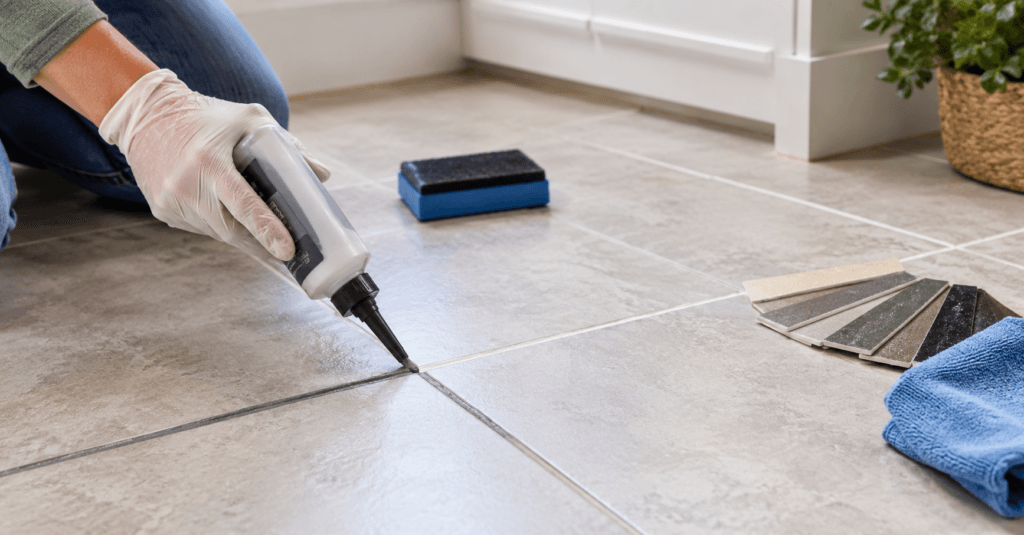
Quick Answer: Does Grout Color Sealing Work?
Yes, grout color sealing can refresh stained, faded, or uneven grout without removing an otherwise usable tile installation. A color sealer adds pigment to the grout surface while also providing a protective finish designed to reduce staining and make future cleaning easier.
It is especially useful when your tile still looks good, but the grout has become the eyesore. Instead of replacing the entire floor or shower, you can change the appearance of the grout and create a more consistent finish. This can be a practical option for kitchens, bathrooms, entryways, laundry rooms, and tiled floors.
However, grout color sealing is not a cure for cracked grout, loose tiles, leaks, or an underlying moisture problem. The grout needs to be reasonably sound and properly prepared before the product is applied. If moisture is coming from behind the tile, sealing the visible grout will not fix the source.
What Is Grout Color Sealing?
Grout color sealing is the application of a pigmented coating or treatment to existing grout joints. Unlike ordinary grout sealing, which is primarily intended to protect without significantly changing the color, a color sealer is designed to alter or restore the grout’s appearance.
This makes it useful when normal cleaning no longer produces the result you want. Grout can absorb dirt, cooking oils, soap residue, minerals, and other contaminants because many cement-based grouts are porous. Over time, even regular cleaning may not return the joints to their original shade.
Color sealing essentially gives those joints a new finish. You can maintain a similar color, darken the grout, or sometimes create a completely different contrast with the tile.
The result depends heavily on preparation. If dirt, grease, loose material, or moisture is trapped underneath the product, the finish may not perform as expected.
Why Does Grout Change Color?
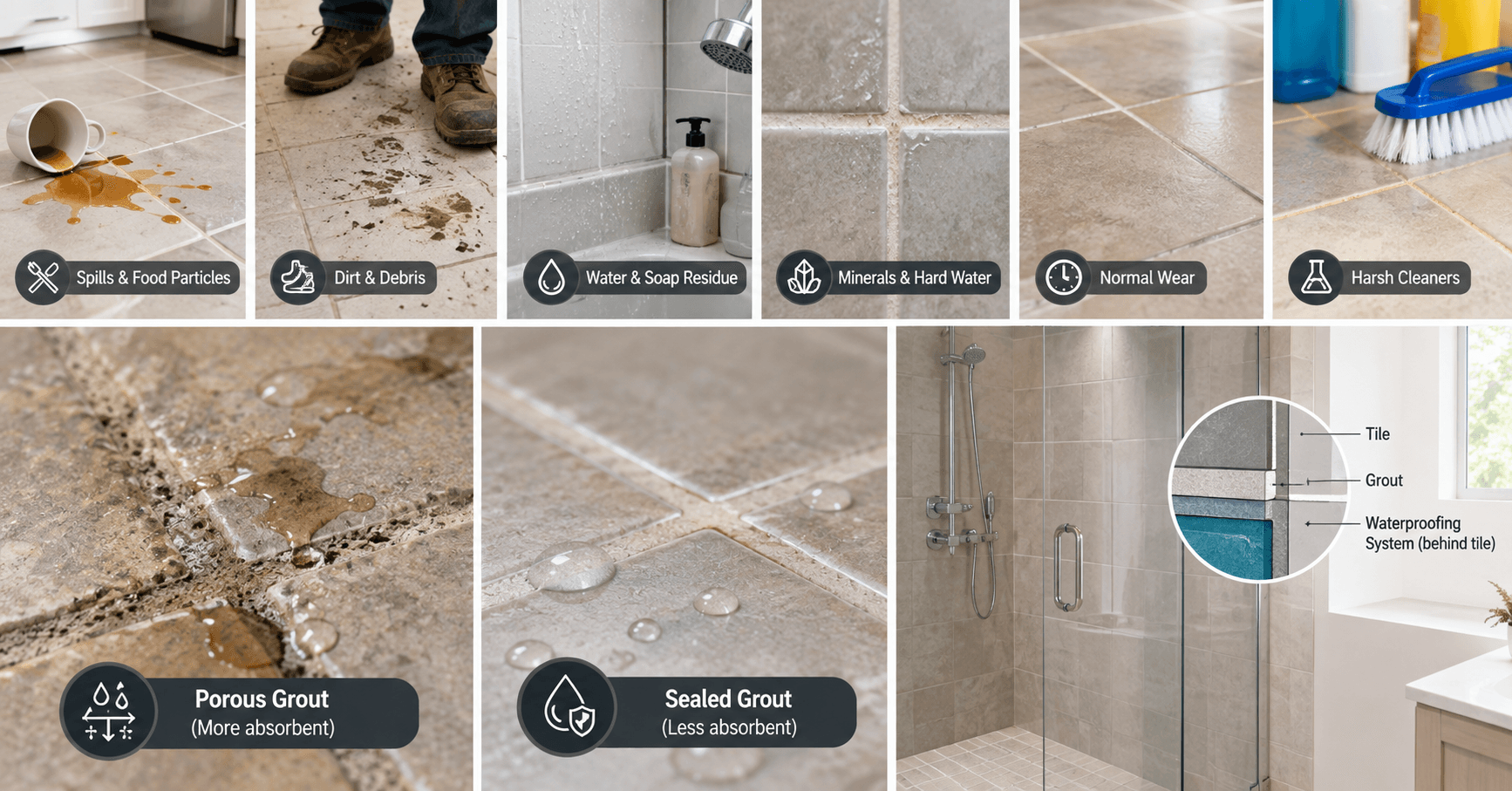
Grout discoloration usually comes from moisture, dirt, spills, cleaning residue, minerals, and normal wear. The cause also depends on where the tile is installed.
Kitchen floors and backsplashes may encounter grease, sauces, coffee, and food particles. Bathroom grout is exposed to water, soap, shampoo, body products, and mineral deposits. Entryways receive soil and debris from shoes, while heavily used floors experience constant abrasion.
Age can also make grout appear inconsistent. Some areas may receive more cleaning or foot traffic than others, creating a patchy appearance. Harsh or inappropriate cleaning products may also affect certain grout and sealer finishes.
Porous Grout vs. Sealed Grout
Traditional cement-based grout is generally more absorbent than epoxy grout. A suitable grout sealer can reduce the penetration of some contaminants, but sealed grout is not the same thing as waterproof construction.
That difference matters in wet areas. A shower requires an appropriate waterproofing system behind the tile, while grout sealer mainly addresses the exposed grout surface.
Grout Sealer vs. Grout Color Sealer
The easiest way to understand the difference is to look at the intended result.
A clear or penetrating grout sealer is generally used when you want to protect suitable grout while keeping its existing appearance. A grout color sealer is designed to provide color along with surface protection.
If your grout looks good but you want additional stain resistance, a conventional sealer may be enough. If your grout is permanently stained, faded, blotchy, or simply the wrong color, a color sealer offers a way to change its appearance without removing the existing joints.
Not every product works on every type of grout or tile. Always check the manufacturer’s instructions and perform a small test before treating a large visible area.
When Should You Color Seal Grout?
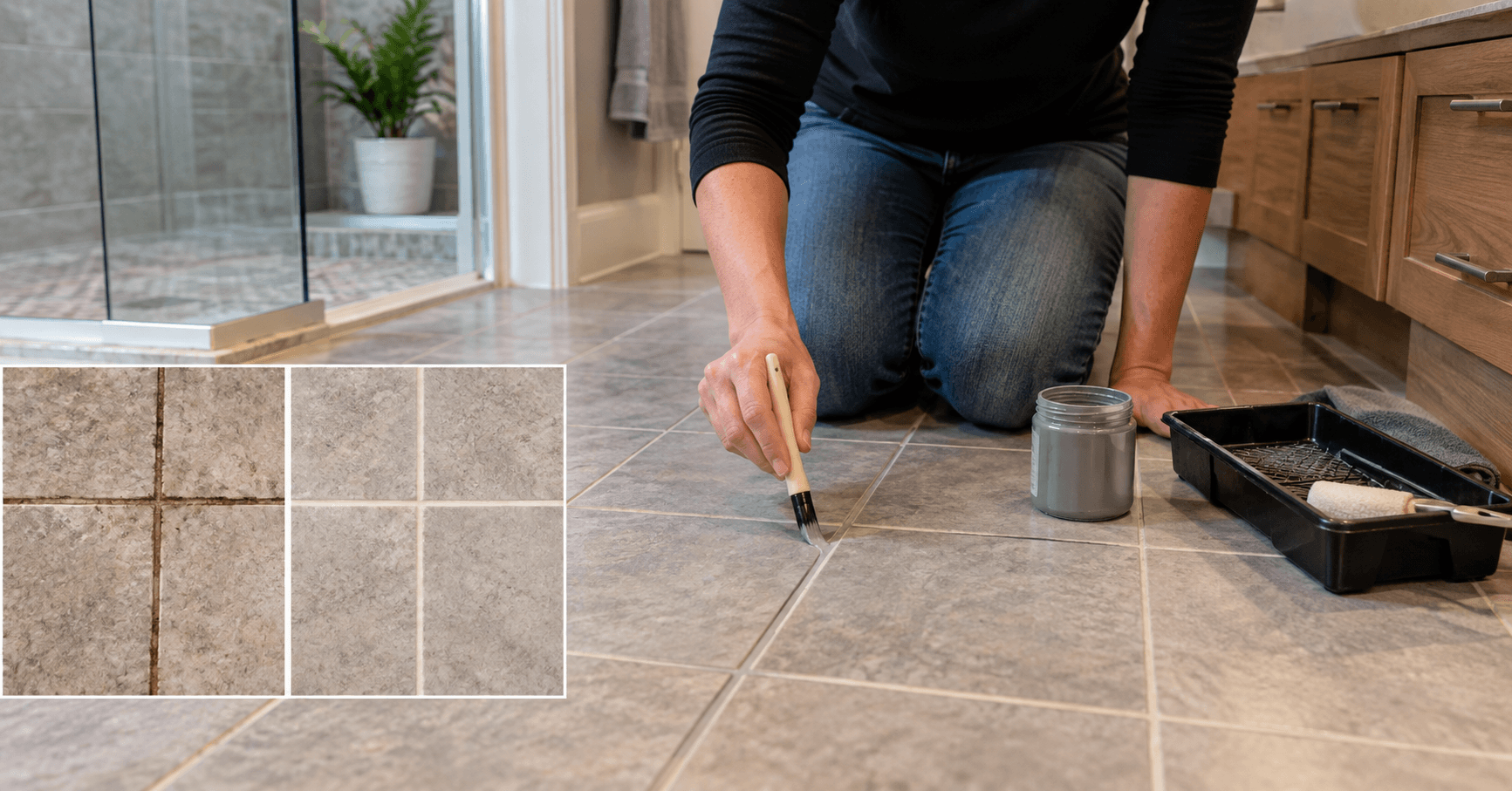
Consider color sealing when the grout is structurally sound but cosmetically worn. It can be a good fit when cleaning has reached its limit, the grout color is uneven, or you want to update the look of an older tiled room.
It can also be useful during a low-cost renovation. Replacing tile involves demolition, disposal, new materials, and installation. If the tile itself is still attractive and firmly installed, changing the grout color may provide a noticeable visual update with much less disruption.
Do not use color sealing as a shortcut for damaged grout. If the joints are crumbling, missing, deeply cracked, or separating from the tile, they may need repair or replacement first.
Your renovation budget also matters. For practical ways to prioritize improvement projects, see these Home Renovation Tips and Money-Saving Tricks.
How Much Does Grout Color Sealing Cost?
The cost of grout color sealing varies with the size of the area, grout condition, number of joints, product used, preparation requirements, and local labor rates. DIY projects are generally less expensive because you mainly pay for the sealer and application supplies.
Professional work costs more because preparation and detailed application can take considerable time. A small bathroom may have hundreds of feet of grout lines even though the floor area is modest.
The condition of the grout is one of the biggest factors. Clean, intact grout requires less preparation than heavily stained or damaged grout. If repairs are needed first, the total project price increases.
When comparing color sealing with replacement, consider the entire installation rather than looking only at the price of the sealer. Keeping good tile in place can sometimes avoid a much larger renovation.
DIY vs. Professional Grout Color Sealing
DIY grout color sealing is possible for many homeowners, particularly when working on a manageable area with straightforward tile patterns. The process requires careful cleaning, controlled application, and patience.
Professional installation may make more sense for large floors, complicated patterns, heavily stained grout, or expensive natural stone. A professional can also help identify whether the grout is suitable for color sealing before the work begins.
If you do the project yourself, test the product first. A small hidden section can reveal whether the color looks right and whether excess product can be removed from the surrounding tile.
How to Choose the Right Grout Color
Your grout color can change the entire appearance of a tiled surface. Matching grout closely to the tile creates a quieter, more continuous look, while contrasting grout makes individual tiles and patterns stand out.
White or very light grout can make a bathroom look fresh and bright, but it can also show dirt more readily on busy floors. Medium shades such as gray, beige, and taupe often provide a balance between contrast and everyday practicality.
Dark grout can create a dramatic effect with light-colored tile. It can also emphasize every tile joint, so the finished installation may look much more patterned than it did with matching grout.
For geometric flooring, grout color can become part of the design itself. If you like bold black-and-white layouts, these 7 Stunning Checkerboard Floor Ideas offer useful inspiration for seeing how contrast affects a floor.
What Types of Grout Can Be Color Sealed?
Many grout color-sealing products are designed for cement-based grout, but compatibility depends on the specific product. Epoxy, urethane, and other specialty grouts can behave differently and may require different treatment.
Read the product label before buying. Check whether it is intended for floor grout, wall grout, wet areas, or a particular grout formulation. Do not assume that a product suitable for one installation will automatically work on another.
The tile surface matters as well. Porous natural stone and unglazed tile can potentially absorb color products, making cleanup more difficult. A test patch is especially important when working with materials that have an absorbent surface.
How to Color Seal Grout Step by Step
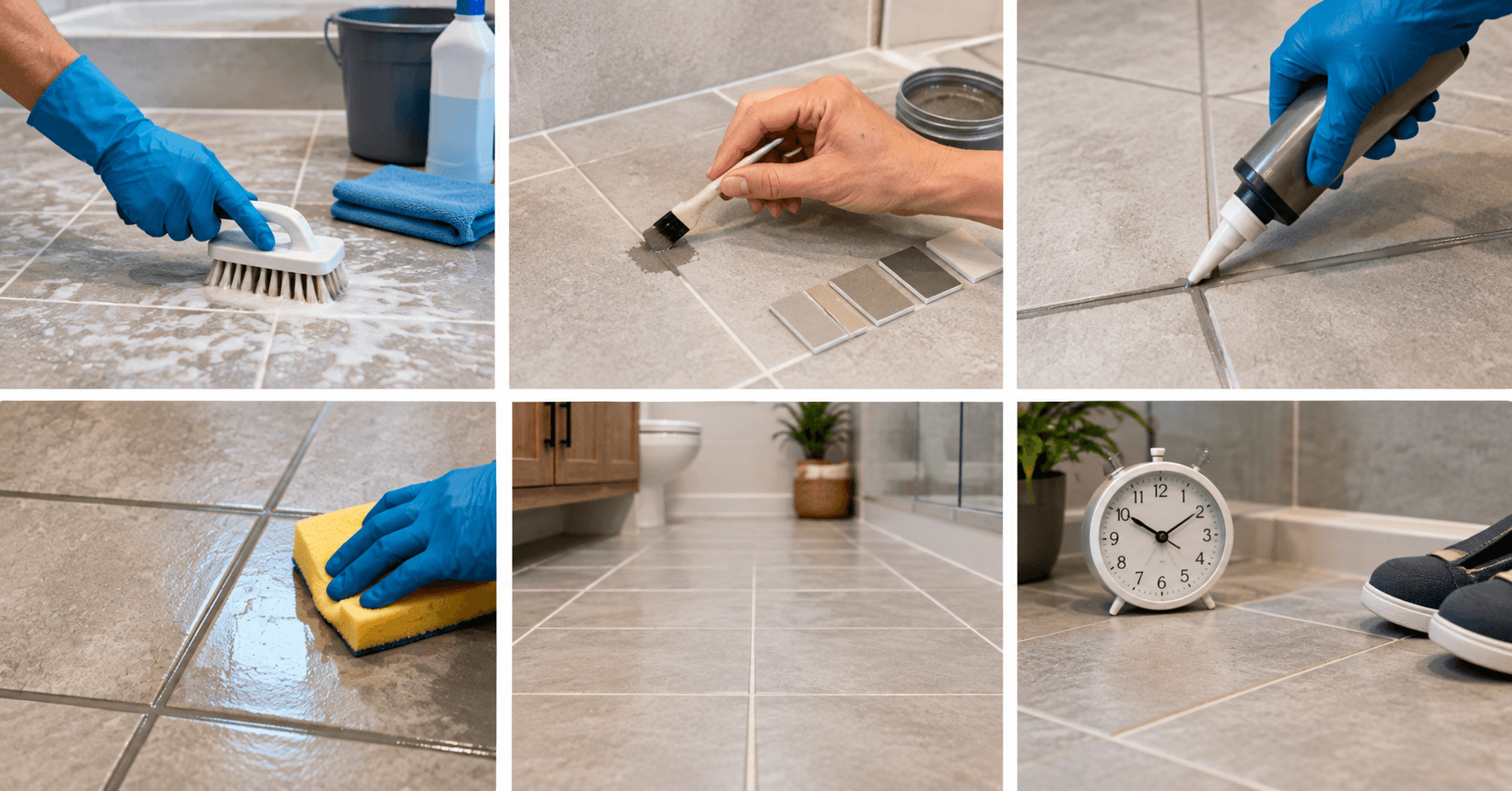
Start with thorough cleaning. Remove dirt, grease, soap residue, mineral buildup, and loose material from the grout. Allow the area to dry completely according to the product instructions.
Next, test the color sealer in an inconspicuous location. Check both the final shade and how easily excess product comes off the tile.
Apply the color sealer carefully along the grout joints using the applicator recommended by the manufacturer. Work in small sections rather than covering a huge area at once. This gives you better control and makes it easier to maintain an even appearance.
Clean excess product from the tile according to the product instructions. Different formulas have different cleanup requirements, so do not rely on a generic method.
Finally, allow the grout to cure for the required period. Avoid heavy traffic or water exposure until the manufacturer says the surface is ready.
How Long Does Grout Color Sealer Last?
There is no single lifespan that applies to every grout color sealer. Durability depends on the product, surface preparation, traffic, moisture exposure, cleaning routine, and condition of the original grout.
A color sealer applied to clean, stable grout will generally have a better chance of performing well than one applied over contaminated or deteriorating joints. A busy kitchen floor may experience considerably more wear than a lightly used bathroom wall.
Cleaning habits matter too. Abrasive tools and aggressive chemicals can damage some finishes.
Instead of relying only on a promised lifespan, inspect the grout periodically. If the color becomes uneven, sections begin wearing away, or stains start penetrating again, the surface may need maintenance or localized touch-up work.
Does Grout Color Sealing Waterproof Tile?
No, grout color sealing does not waterproof a tile installation. This is particularly important in showers, tub surrounds, and other areas exposed to regular water.
A grout sealer may help reduce absorption and staining on the exposed grout, depending on the product. It does not replace the waterproof membrane or construction system needed behind tile in a properly built wet area.
The Tile Council of North America provides technical information and industry resources related to tile installation and construction: Tile Council of North America.
If you notice recurring water damage, soft walls, persistent dampness, or leaks, identify the moisture source before applying a cosmetic grout treatment.
Can You Color Seal Dirty or Moldy Grout?
No, you should not simply cover dirty or actively moldy grout with color sealer. The surface needs appropriate cleaning and the cause of the moisture needs attention.
Mold growth can be a sign of excess moisture rather than just an unattractive grout problem. In bathrooms, check ventilation, plumbing, caulking, drainage, and areas where water may remain for long periods.
The U.S. Environmental Protection Agency provides guidance on moisture and mold problems in homes: EPA Mold and Moisture.
Once the grout is clean, dry, and structurally suitable, you can test whether the selected color sealer is appropriate. If the grout repeatedly becomes moldy, solving the moisture issue should come before cosmetic treatment.
Common Grout Color Sealing Mistakes
The biggest mistakes usually happen before the sealer is applied. Skipping preparation, choosing an incompatible product, applying unevenly, and ignoring the manufacturer’s curing instructions can all affect the finished result.
Another common problem is using too much product. Excess color sealer can leave unwanted residue on the tile, particularly when the tile has a textured or porous surface.
Choosing a color without testing it can also lead to disappointment. Grout may look different under bathroom lighting, natural daylight, or warm artificial bulbs.
Finally, do not assume color sealer repairs damaged grout. If the joint is missing or crumbling, the underlying material needs attention first.
How to Maintain Color-Sealed Grout
Maintenance is straightforward when you use compatible, nonabrasive cleaning methods. Regular cleaning prevents dirt and residue from accumulating on the surface and reduces the need for aggressive scrubbing.
In bathrooms, ventilation is important because reducing excess moisture can help keep the space cleaner. Wipe up standing water when practical and address plumbing leaks quickly.
In kitchens, clean spills before they sit on grout for extended periods. Grease and strongly colored foods can be particularly troublesome on light-colored joints.
Avoid automatically reaching for the strongest cleaner available. Check the sealer manufacturer’s recommendations first because some chemicals can affect certain protective finishes.
Grout Color Sealing for Kitchens and Bathrooms
Kitchens and bathrooms are particularly good places to consider grout color sealing because these rooms combine high use, moisture, and visible tile surfaces.
In a kitchen, a medium-tone grout can provide a practical balance between appearance and maintenance. A contrasting color can also make backsplash patterns more prominent.
In bathrooms, grout color can influence whether the tile looks like one continuous surface or a collection of individual pieces. A color close to the tile tends to reduce visual contrast, while a darker shade emphasizes the pattern.
If you are planning a bathroom update, these Bathroom Tile Shower Ideas can provide additional inspiration for combining tile patterns, colors, and layouts.
Is Grout Color Sealing Worth It?
Grout color sealing is worth considering when your tile is in good condition but the grout looks permanently stained, faded, or uneven. It can refresh the room without the demolition and expense associated with replacing an otherwise functional tile installation.
It is less useful when the grout is badly damaged, tiles are loose, or there is an unresolved water problem. In those situations, cosmetic treatment may only hide the symptoms temporarily.
For homeowners who like their existing tile but dislike the grout, color sealing offers a middle ground between ordinary cleaning and a complete renovation. The final decision should come down to the condition of the installation, the cost of alternatives, and the appearance you want.
Conclusion
Grout color sealing can be an effective way to update stained or uneven grout without replacing good tile. It adds color while providing a protective finish designed for suitable grout, making it useful for many kitchens, bathrooms, floors, backsplashes, and other tiled surfaces.
The most important step is preparation. Clean the grout thoroughly, confirm that it is structurally sound, select a compatible product, test the color, apply it carefully, and give it enough time to cure.
Remember that grout color sealer is not waterproofing and cannot repair cracked grout or solve hidden moisture problems. When the existing installation is sound, however, it can be a relatively simple way to give an older tiled surface a cleaner and more consistent appearance.
Grout Color Sealing FAQs
Can I change my grout color without removing the grout?
Yes. A compatible grout color sealer can change the appearance of existing grout without completely removing it. The grout should be clean, dry, and structurally sound before application.
Is grout color sealer better than regular grout sealer?
Neither is automatically better. Regular grout sealer is appropriate when you want protection without substantially changing the color. Color sealer makes more sense when you also want to refresh or change the grout’s appearance.
Can grout color sealer be used in a shower?
Some products are suitable for grout in wet areas, but you must follow the manufacturer’s directions. Color sealing does not replace proper shower waterproofing behind the tile.
What grout color hides dirt best?
Medium colors such as gray, taupe, and beige can be practical choices for busy areas because they generally do not show everyday dirt as readily as very light grout. The best color also depends on the tile and room lighting.
Can I color seal cracked grout?
Color sealer is not designed to repair severely cracked, missing, or crumbling grout. Damaged joints should generally be repaired or replaced before applying a color treatment.

Samreen Khadim Hussain is a home improvement writer and content creator at Domelite Home. She specializes in making home renovation, interior design, and bathroom safety accessible to everyday US homeowners, turning technical subjects into clear, actionable advice. Her work is rooted in research, real-world practicality, and a genuine belief that a better home is within everyone’s reach.