
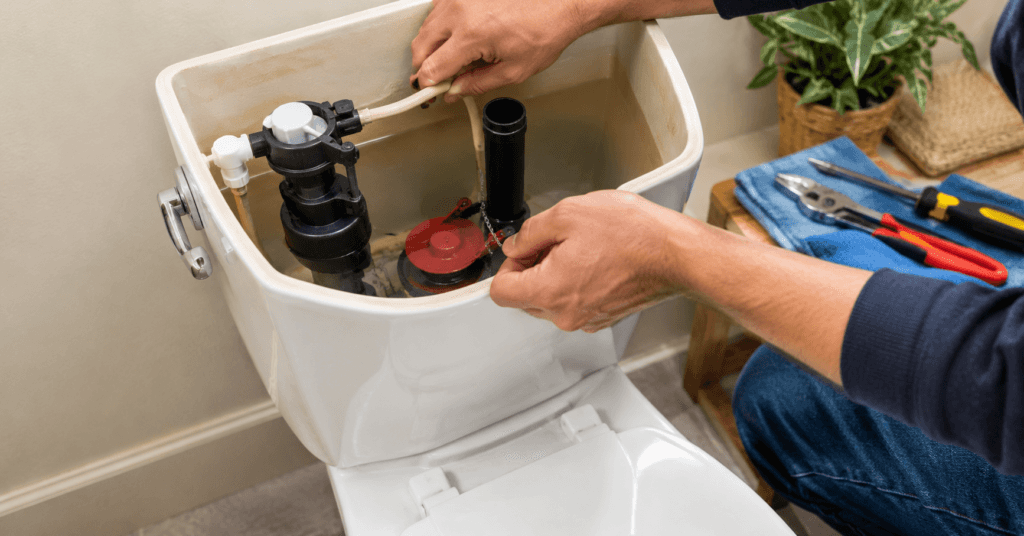
Quick Answer: How to fix a running toilet depends on the cause. A running toilet is caused by one of six things: a faulty flapper, a float set too high, a damaged fill valve, a worn flush valve seat, a chain that is too long or too short, or an overflow tube that is set too low. Start by removing the tank lid and watching what happens during and after a flush. Where the water goes tells you exactly what failed. Most repairs cost $5 to $25 in parts and take under 30 minutes.
A running toilet is one of those household problems that feels minor until you see the water bill. A toilet that runs continuously wastes between 200 and 700 gallons of water per day depending on how fast it is running. At average US water rates, that is $70 to $250 per month added to your bill for what is almost always a $10 repair.
The frustrating part is that most running toilet guides give you a list of possible causes without telling you how to identify which one applies to your toilet. This guide works differently. It tells you how to diagnose the specific cause in under two minutes by watching the tank, then applies the exact fix for that cause.
If you are looking for how to fix a running toilet, start by identifying where the water is going before replacing any parts.
The Two-Minute Diagnosis: Watch the Tank First
Remove the toilet tank lid and set it aside safely. Flush the toilet and observe what happens during the refill and after.
Water runs into the overflow tube: The float is set too high, or the fill valve is not shutting off. Water reaching the overflow tube drains continuously into the bowl. This is one of the most common running toilet causes and one of the easiest to fix.
Water stops refilling but continues running into the bowl: The flapper is not sealing properly. Water is leaking past the flapper from the tank into the bowl continuously; the tank refills to replace the water leaking out.
Water runs, refills, then runs again in a cycle: The flapper is leaking but slowly. The tank gradually empties through the flapper, the fill valve kicks on to refill, and the cycle repeats every few minutes. You hear the toilet run for 30 to 60 seconds every 5 to 10 minutes.
Water runs constantly with no fill cycle: Either the fill valve has failed and cannot shut off, or the overflow tube is positioned too low and is constantly receiving water even though the float is correctly set.
Food coloring test for slow flapper leaks: Add a few drops of food coloring to the tank without flushing. Wait 15 minutes. If color appears in the bowl without flushing, the flapper is leaking. This confirms a slow flapper leak that the running sound alone may not reveal.
Fix 1: Adjust the Float (Free, 2 Minutes)
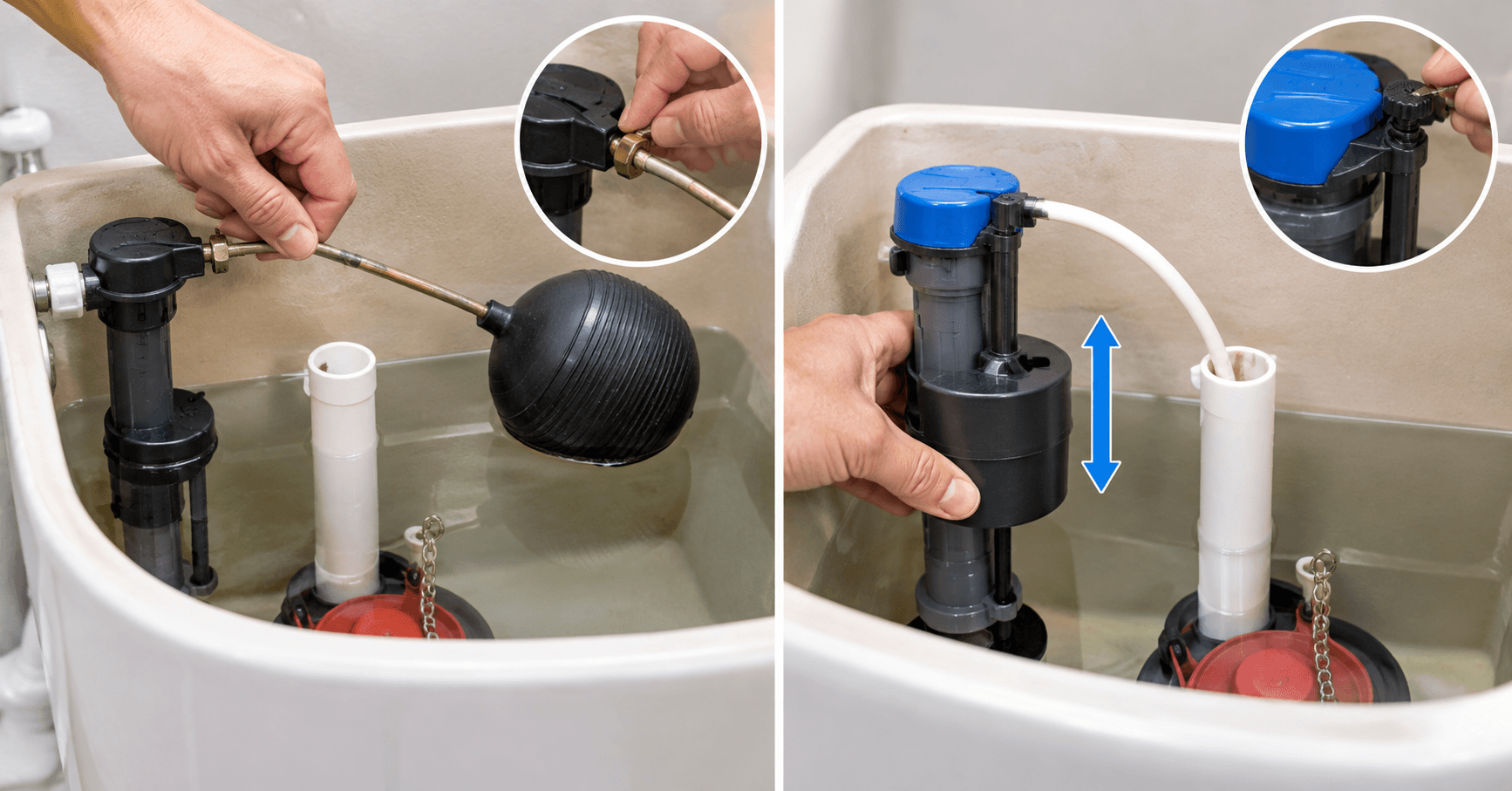
How to fix a running toilet when water reaches the overflow tube starts with checking the float.
If water is running into the overflow tube, the float is set too high and needs to be lowered. The float controls when the fill valve shuts off. When it is set too high, the water level in the tank rises above the overflow tube before the fill valve cuts off, causing continuous drainage into the bowl.
Ball float (older ballcock system): Locate the ball float on the end of a metal or plastic arm. Bend the arm gently downward or turn the adjustment screw at the fill valve counterclockwise to lower the water level. The target water level is approximately one inch below the top of the overflow tube.
Cup float (modern fill valve): The cup float slides up and down the fill valve shaft. Pinch the adjustment clip and slide the float down the shaft to lower the water level. On some models, a screw adjustment at the top of the fill valve raises or lowers the float instead.
After adjusting, flush the toilet and observe the refill. The water should stop one inch below the top of the overflow tube. If it still runs into the overflow tube after adjustment, the fill valve may need replacement.
Fix 2: Replace the Flapper ($5 to $10)
The flapper is the rubber seal at the bottom of the tank that lifts when you flush and drops back to seal the tank after the flush is complete. It is the most commonly replaced toilet part in US homes because rubber degrades over three to five years from chlorine in water, cleaning chemicals dropped into the tank, and repeated opening and closing cycles.
How to replace a flapper:
Turn off the water supply valve behind or below the toilet by turning it clockwise until it stops. Flush the toilet to drain the tank. Remove the old flapper by unhooking the ears from the pegs on either side of the flush valve seat and disconnecting the chain from the flush handle arm. Bring the old flapper to any hardware store to match the size and shape. Universal flappers fit most toilets, but brand-specific flappers for Kohler, American Standard, and TOTO provide better seals than universal versions.
Hook the new flapper ears onto the flush valve pegs. Connect the chain to the flush handle arm with approximately half an inch of slack. Chain length is critical and most often overlooked: too much slack means the flapper does not lift fully during a flush and the toilet uses more than one flush to clear the bowl. Too little slack means the chain prevents the flapper from seating fully, causing a continuous slow leak.
Turn the water supply back on and flush twice to confirm the flapper seats completely and the tank refills without running.
Fix 3: Replace the Fill Valve ($10 to $20)
If adjusting the float does not stop the water from running into the overflow tube, or if the fill valve is making noise, hissing, or running after the tank is full, the fill valve needs replacement.
Fill valves have a lifespan of five to seven years. The internal diaphragm or seal that controls water shutoff wears and eventually fails to close completely, even when the float is correctly positioned.
How to replace a fill valve:
Turn off the water supply valve and flush to drain the tank. Use a towel to absorb remaining water. Place a small bucket or towel under the tank connection.
Disconnect the water supply line from the bottom of the tank by turning the coupling nut counterclockwise. Remove the locknut securing the fill valve to the tank bottom. Lift the old fill valve straight up and out.
The Fluidmaster 400A is the most widely used fill valve replacement in US homes and fits virtually every toilet tank. Insert the new fill valve through the tank opening, following the manufacturer’s instructions for the critical shank length adjustment before installation. Secure the locknut and reconnect the supply line. Hand-tighten the coupling first, then turn one-quarter turn with pliers only.
Turn the water supply on slowly. Adjust the float on the new fill valve to set the water level one inch below the overflow tube. Flush twice and confirm the fill valve shuts off completely.
Fix 4: Shorten or Adjust the Flush Chain ($0 to $3)
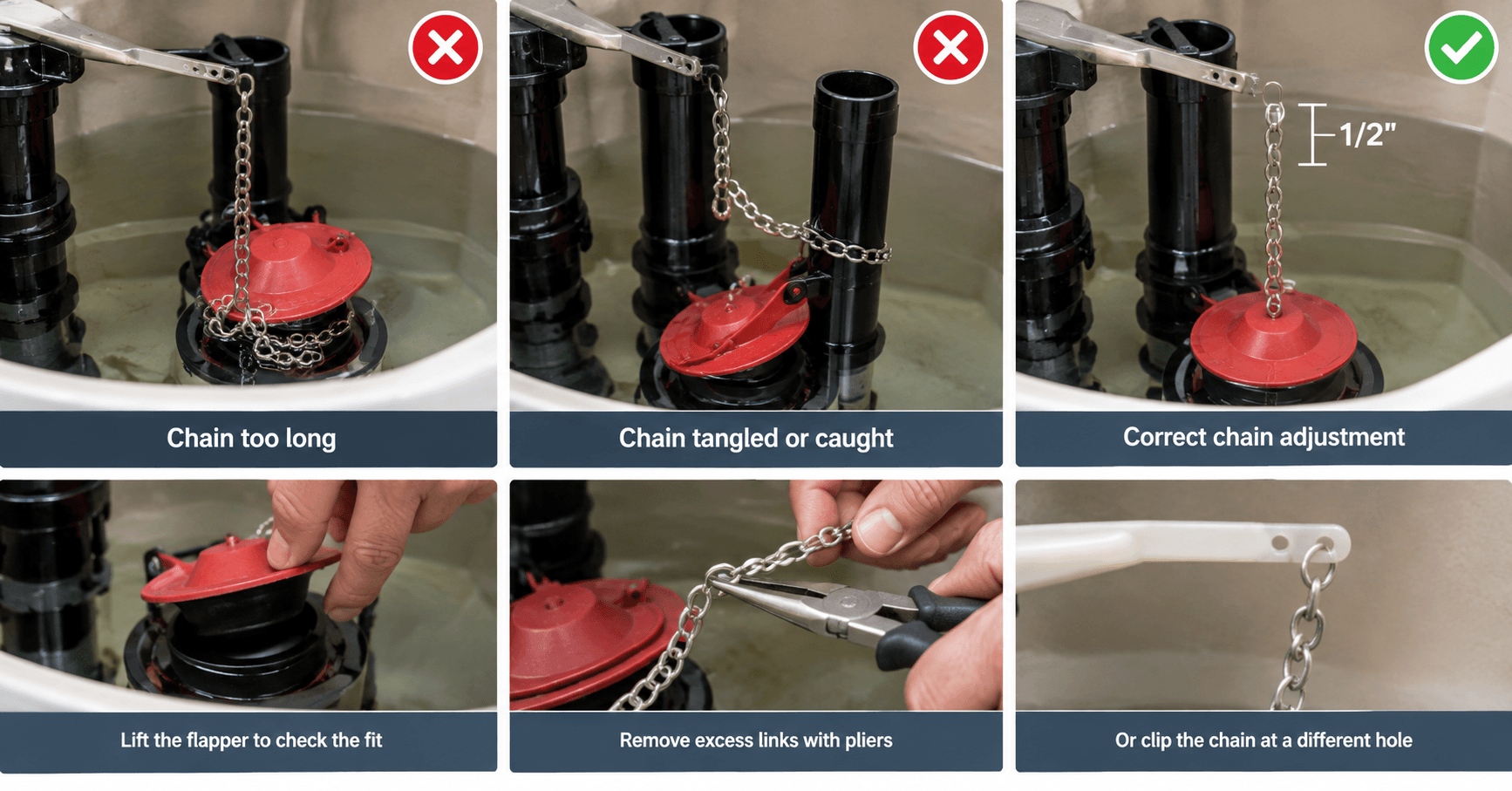
A chain problem is the most overlooked running toilet cause and the cheapest to fix. Two specific chain problems cause a running toilet:
Chain too long: Excess chain loops under the flapper and prevents it from seating flush against the valve seat. Water leaks past the chain into the bowl continuously. This is confirmed by lifting the flapper slightly with your finger and feeling whether it sits flat when you lower it.
Chain tangled or caught: The chain catches on another part inside the tank during or after a flush, holding the flapper open. The toilet runs until the chain works free and the flapper drops.
Adjust the chain so there is approximately half an inch of slack when the flapper is seated. Remove excess links with needle-nose pliers or clip the chain at a different hole on the flush arm. This is a genuine two-minute repair that costs nothing if the chain is intact.
Fix 5: Clean or Replace the Flush Valve Seat ($0 to $15)
The flush valve seat is the ring the flapper presses against to seal the tank. If this seat is pitted, corroded, warped, or has mineral deposit buildup, even a brand-new flapper will not seal properly and the toilet continues to run.
Run your finger around the seat surface. If you feel roughness, ridges, or mineral buildup, that is preventing a complete seal.
Clean mineral deposits: Pour white vinegar into the tank and let it sit for several hours. The acidity dissolves calcium and lime deposits on the seat surface. Scrub with a non-metallic scrubbing pad and test the flapper seal.
Seat repair kit: Hardware stores sell seat saver kits that include a thin peel-and-stick seat ring that adheres over the damaged seat surface. This provides a fresh sealing surface for the flapper without requiring flush valve replacement and costs $5 to $8.
Full flush valve replacement: For severely corroded or cracked seats, flush valve replacement is necessary. This requires removing the toilet tank, which is a more involved repair. If the seat is the cause and a repair kit does not restore the seal, a plumber is the most efficient path to complete replacement.
Fix 6: Lower the Overflow Tube
If the overflow tube is installed too low or if the tube has shifted over time, water drains into it before the fill valve shuts off regardless of the float setting.
The overflow tube is the vertical tube in the center of the tank. The correct height is approximately one inch below the top of the tank opening. If the tube sits lower, the fill valve fills the tank to its shut-off level, but water simultaneously drains away through the low tube, preventing the tank from ever reaching full capacity.
Some overflow tubes are adjustable by rotating the tube within the flush valve body or adjusting a locking nut. If your overflow tube is not adjustable and is too low, the flush valve assembly needs replacement, which is a larger repair.
Confirm the tube height is the issue by comparing the tube top position to the water level that triggers the fill valve shut-off. If water is draining into the tube before the fill valve closes, the tube position is the problem.
Knowing how to fix a running toilet quickly can prevent unnecessary water waste and avoid a small plumbing problem becoming a larger repair.
The Water Waste Reality
The EPA estimates that household leaks, including running toilets, waste nearly 1 trillion gallons of water annually across the US. A single running toilet can waste up to 200 gallons per day in a slow leak and over 700 gallons per day when running continuously. Their Fix a Leak guidance is available at epa.gov and documents exactly how significant this water loss is at the household level.
At average US water and sewer rates combined, a running toilet costs $50 to $200 per month in wasted water. A $10 flapper pays for itself in the first two days after installation.
A running toilet often accompanies other bathroom plumbing issues. If you are also dealing with a dripping faucet in the same bathroom, the guide on how to fix a dripping faucet covers all four faucet types with specific repairs for each, using the same diagnose-first approach applied here.
For homeowners managing renovation budgets alongside these maintenance repairs, the guide on home renovation tips and money-saving tricks covers how to prioritize plumbing maintenance within a broader home improvement budget.
When to Call a Plumber
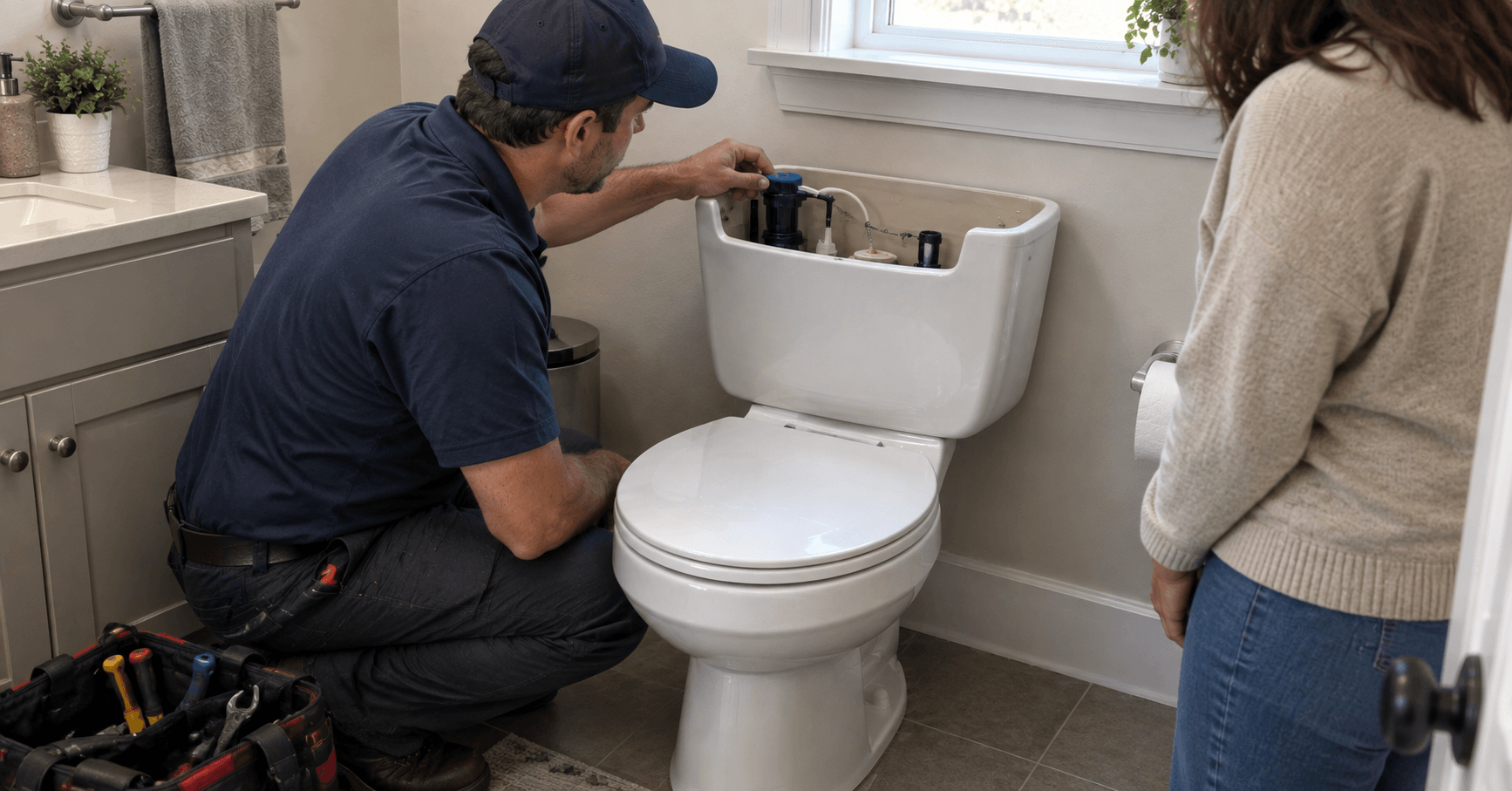
Most running toilet repairs are DIY-appropriate. Call a licensed plumber when:
The toilet runs after you have replaced the flapper and fill valve and confirmed the chain length and float setting are correct. An underlying issue with the flush valve seat or the toilet itself needs professional evaluation.
Water is visible on the floor around the base of the toilet. This indicates a wax ring failure or cracked toilet base, neither of which is a tank repair.
The toilet is over 25 years old, and multiple components are failing simultaneously. At this age, full toilet replacement at $150 to $500 for the fixture plus installation is more cost-effective than continued repair of aging components.
For homeowners with seniors or mobility-limited family members using the bathroom, addressing the toilet repair promptly matters beyond the water bill. Wet floors from overflow or unusual sounds from a running toilet can create hazards and anxiety in accessible bathrooms. The guide on ADA grab bars for bathrooms covers bathroom safety hardware that complements a well-maintained accessible toilet setup.
For additional visual guidance on each repair step, Family Handyman’s running toilet repair guide at familyhandyman.com provides step-by-step photography covering flapper, fill valve, and float repairs across common US toilet brands.
Parts and Cost Reference
| Part | Cost | Where to Buy | Lifespan After Replacement |
| Universal flapper | $5 to $8 | Hardware store | 3 to 5 years |
| Brand-specific flapper | $8 to $15 | Hardware store or online | 5 to 7 years |
| Fill valve (Fluidmaster 400A) | $12 to $18 | Hardware store | 7 to 10 years |
| Flush chain replacement | $2 to $4 | Hardware store | Indefinite |
| Seat repair kit | $5 to $8 | Hardware store | 3 to 5 years |
| Full flush valve assembly | $15 to $35 | Hardware store | 10 to 15 years |
Always buy brand-specific flappers when the brand is identifiable. Kohler, TOTO, and American Standard flappers are engineered to match the specific seat geometry of their toilets. Universal flappers seal adequately on most toilets, but the fit is never as precise as a brand-matched part.
Frequently Asked Questions
Q: Why does my toilet keep running after I replaced the flapper?
A: If you are still learning how to fix a running toilet, check the flush valve seat and chain before replacing another part. The most common reason is a damaged or corroded flush valve seat that prevents the new flapper from sealing completely. Run your finger around the seat surface. If it feels rough or uneven, clean it with vinegar or install a seat repair kit. The second most common reason is incorrect chain length preventing the flapper from sitting flat. Confirm the chain has only half an inch of slack and is not catching on anything inside the tank.
Q: How do I know if my toilet is running but not making noise?
A: Use the food coloring test. Add several drops of food coloring to the tank without flushing. Wait 15 minutes. If color appears in the bowl, the flapper is leaking slowly even without audible running. A silent running toilet wastes just as much water as a noisy one.
Q: Can a running toilet increase my water bill significantly?
A: Yes, dramatically. A toilet running continuously wastes 200 to 700 gallons per day. At average combined US water and sewer rates, this adds $50 to $200 to monthly bills. A running toilet that goes unaddressed for three months can add $150 to $600 to water costs, making even a plumber visit cost-effective compared to continued waste.
Q: How long should a toilet tank take to refill after flushing?
A: A properly functioning toilet tank refills in 60 to 90 seconds after a flush. Refill times longer than two minutes indicate low water pressure, a partially closed supply valve, or a fill valve that is beginning to fail. Refill times under 30 seconds may indicate the fill valve is set to an excessively high flow rate.
Q: Is a running toilet an emergency?
A: Not immediately, but it should be repaired within days rather than weeks. Beyond the water cost, a continuously running toilet strains the fill valve and flapper with constant cycling and can accelerate wear on components beyond the immediate failure point. If the toilet overflows or water appears on the floor, that is an emergency requiring immediate attention.
Dealing with a running toilet that does not match any of the six causes above, or a repair that keeps failing? Drop your toilet brand, age, and which symptom you are seeing in the comments, and we will help you find the right fix.

Samreen Khadim Hussain is a home improvement writer and content creator at Domelite Home. She specializes in making home renovation, interior design, and bathroom safety accessible to everyday US homeowners, turning technical subjects into clear, actionable advice. Her work is rooted in research, real-world practicality, and a genuine belief that a better home is within everyone’s reach.